EXPLORE AUTOMATION PARTS

GET TECHNICAL REPAIR QUOTE

CONTACT US NOW

WHATSAPP NOW
/resources-hub/sick-sensors-supplier-in-uae/
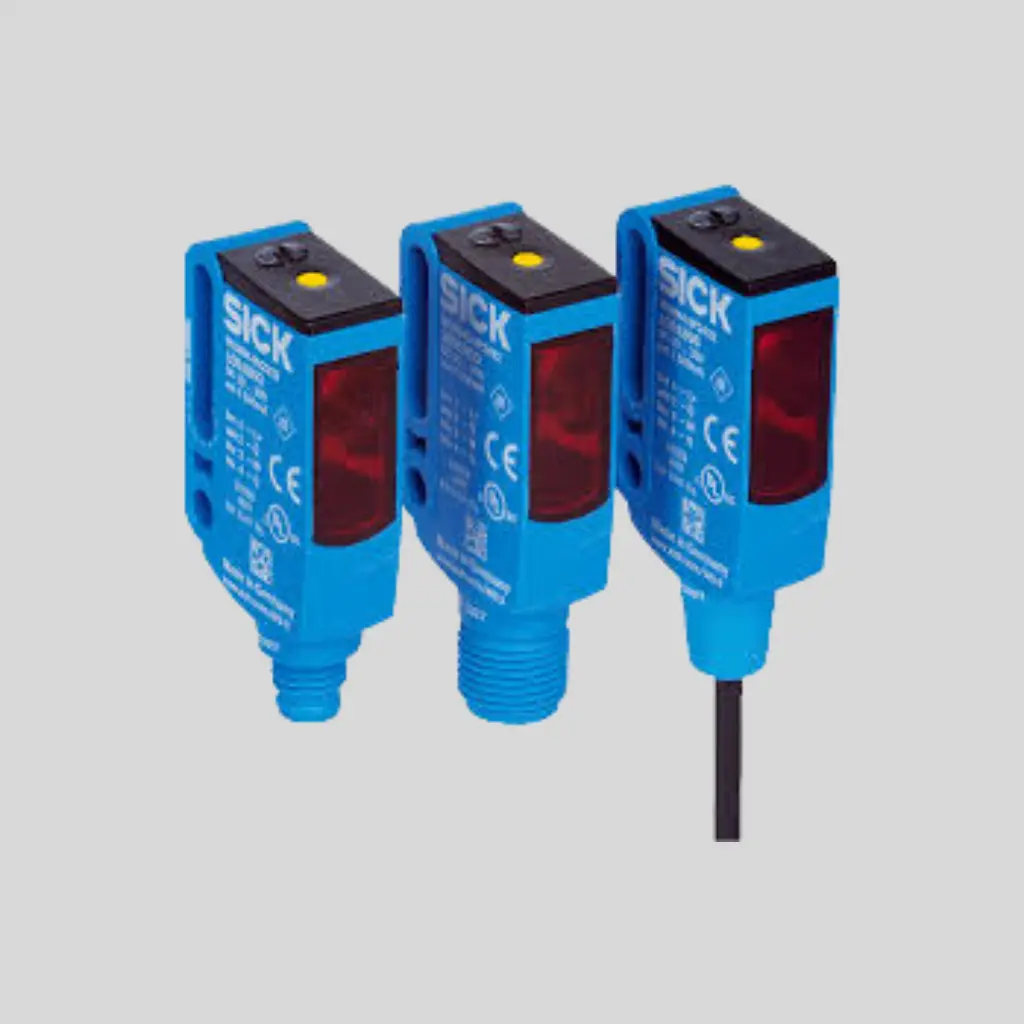
Industrial automation systems rely on constant feedback from machines, moving components, conveyors, robotic systems, and production lines. Without accurate sensing technology, automated operations lose stability, visibility, and process control. SICK industrial sensors are designed for environments where industrial systems require continuous monitoring, positioning accuracy, safety detection, and automated response across high-speed operations. These sensing technologies are widely implemented in manufacturing plants, logistics facilities, robotic systems, warehouse automation, and process industries where real-time detection directly affects operational performance. Instead of functioning as standalone components, industrial sensors act as the communication layer between machines, automation systems, and control platforms.
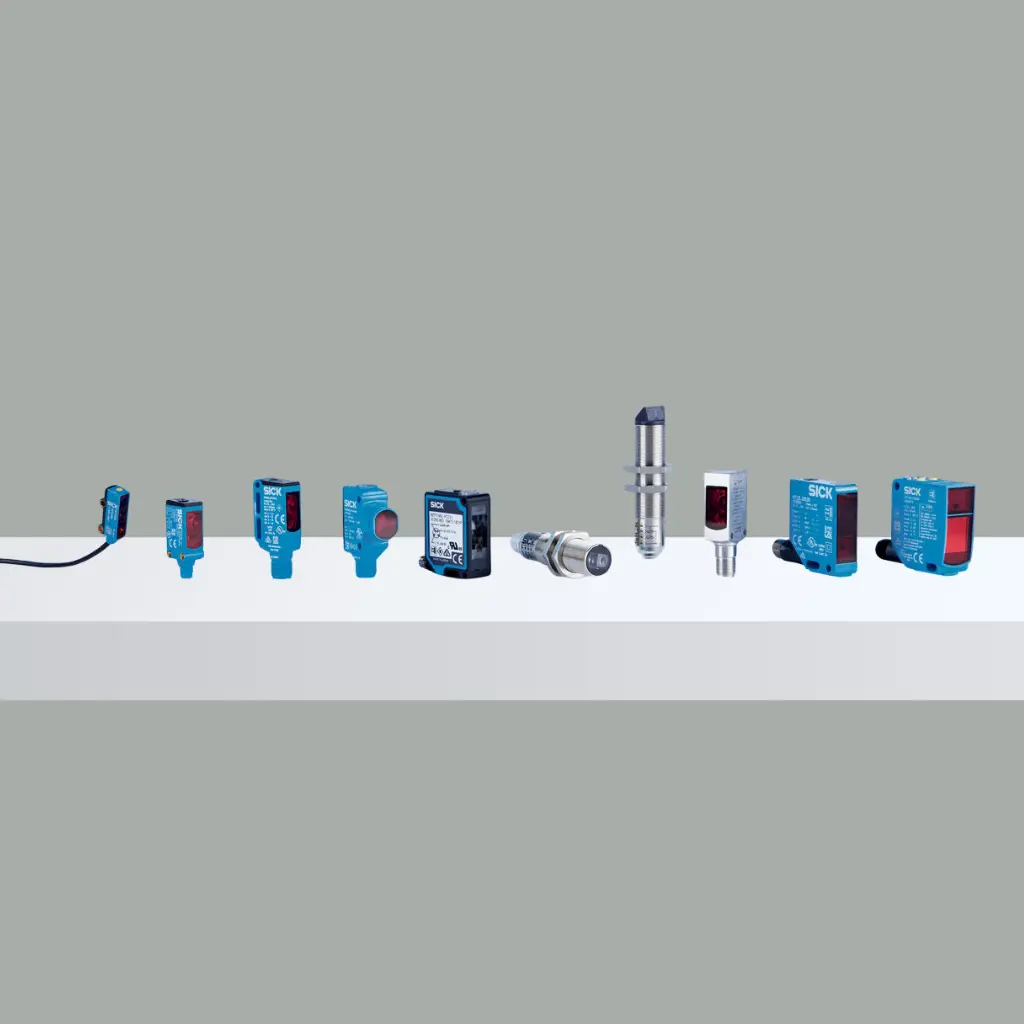
Modern factories operate through connected automation systems where machines continuously exchange operational data. In these environments, sensing technology is responsible for detecting movement, identifying objects, monitoring distances, and validating process conditions.
SICK develops industrial sensing technologies for applications involving:
These sensing systems help automation environments operate with higher precision and reduced operational interruption.
SICK provides multiple sensing technologies designed for different industrial requirements rather than one universal sensing platform.
Vision sensors are used in applications where systems must inspect, identify, or verify products during operation.
These systems are commonly integrated into:
Vision-based automation improves inspection consistency and supports high-speed industrial processing environments.
Laser sensors and LiDAR technologies are used in industries where accurate positioning and environmental detection are required.
Applications include:
These technologies support automation systems that rely on real-time spatial awareness.
Industrial safety systems require continuous monitoring to reduce operational risk around machines and robotic equipment.
SICK safety technologies include:
These systems are integrated into industrial environments where operator protection and machine safety are critical operational requirements.
Industrial production systems require accurate detection during movement and transfer operations.
SICK detection technologies support:
Stable detection performance helps maintain operational consistency during continuous production cycles.
Automation systems inside warehouses and robotic environments require sensors capable of operating continuously while processing real-time operational data.
SICK industrial sensors are commonly integrated into:
These systems improve operational visibility while reducing dependency on manual monitoring.
Industrial processes depend on accurate operational feedback to maintain stability during production.
SICK sensing technologies support:
These sensing systems help industries monitor production environments more efficiently.
Industries searching for SICK industrial sensor solutions often require systems compatible with modern automation environments, industrial communication platforms, and factory safety systems.
Sensor solutions are widely implemented across industrial sectors in:
Working with an experienced automation provider such as Epoch International helps industries identify sensing technologies suitable for factory automation, robotics integration, warehouse systems, and industrial process environments.
Selection typically depends on:
Industrial automation depends on continuous system awareness. Machines must detect operational changes instantly in order to maintain stable production.
Without intelligent sensing systems, industries may experience:
Industrial sensors help create connected manufacturing systems capable of operating with higher accuracy and improved operational control.
Modern industrial environments are shifting toward connected manufacturing ecosystems where machines process real-time operational information continuously.
SICK sensing technologies support Industry 4.0 environments through:
This allows industrial systems to operate with improved efficiency, visibility, and automation control.
SICK industrial sensors support automation environments requiring real-time detection, positioning, machine safety, and intelligent process monitoring. Their sensing technologies are widely implemented across manufacturing, robotics, logistics, and industrial automation systems where operational accuracy directly affects performance.
Industries implementing advanced sensing systems benefit from improved process visibility, stable automation performance, and better long-term operational efficiency.
Didn't Find What You Were Looking For?
Let Us Help You