
EXPLORE AUTOMATION PARTS

GET TECHNICAL REPAIR QUOTE

CONTACT US NOW

WHATSAPP NOW
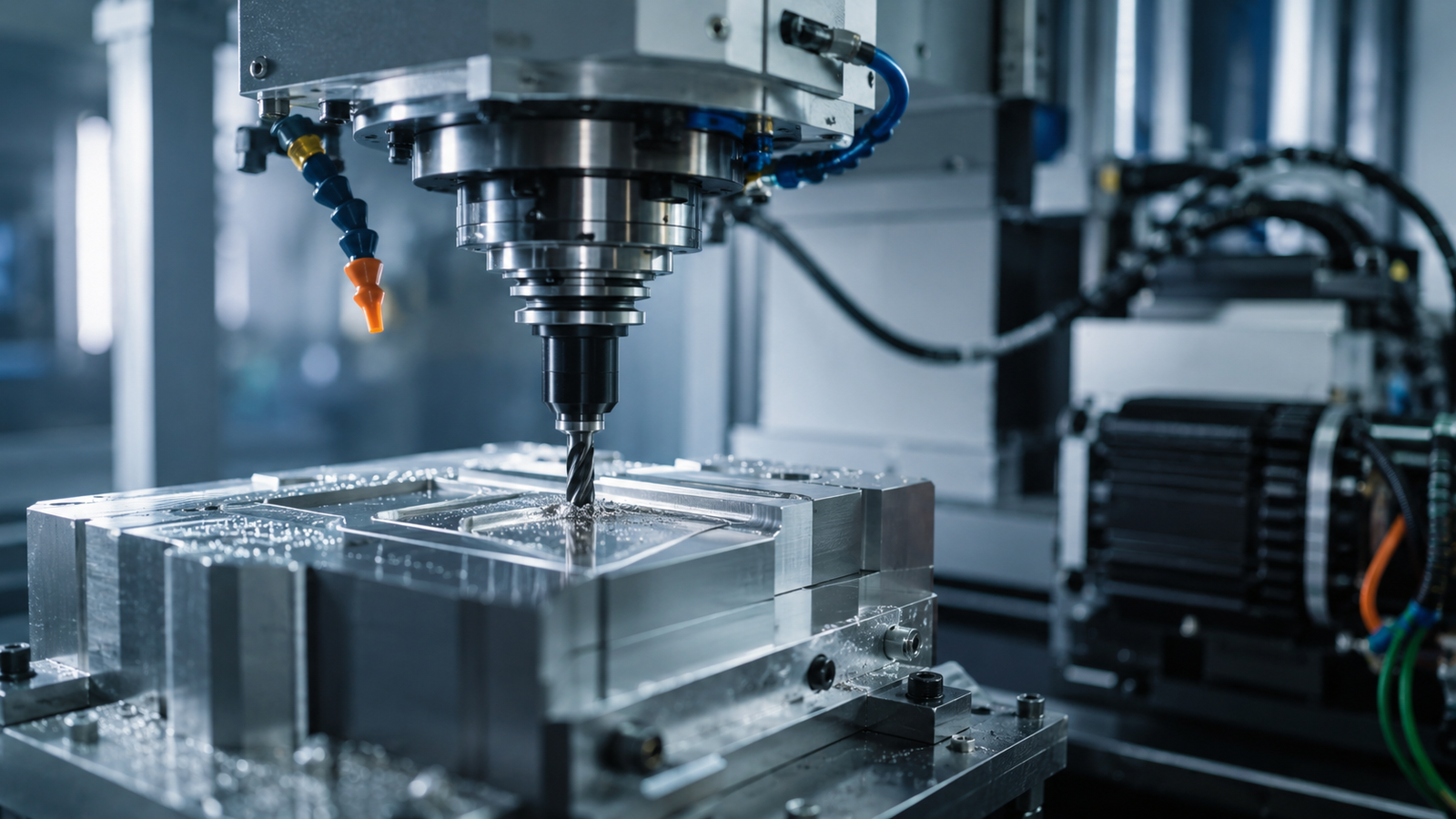
Motion control is the technology that makes tight tolerances achievable in the first place. It governs how every CNC axis moves, ensuring each toolpath is followed exactly as programmed. This article breaks down what motion control actually does inside a CNC machine, the specific mechanisms it uses to improve accuracy, and what to look for when evaluating or upgrading a motion control system.
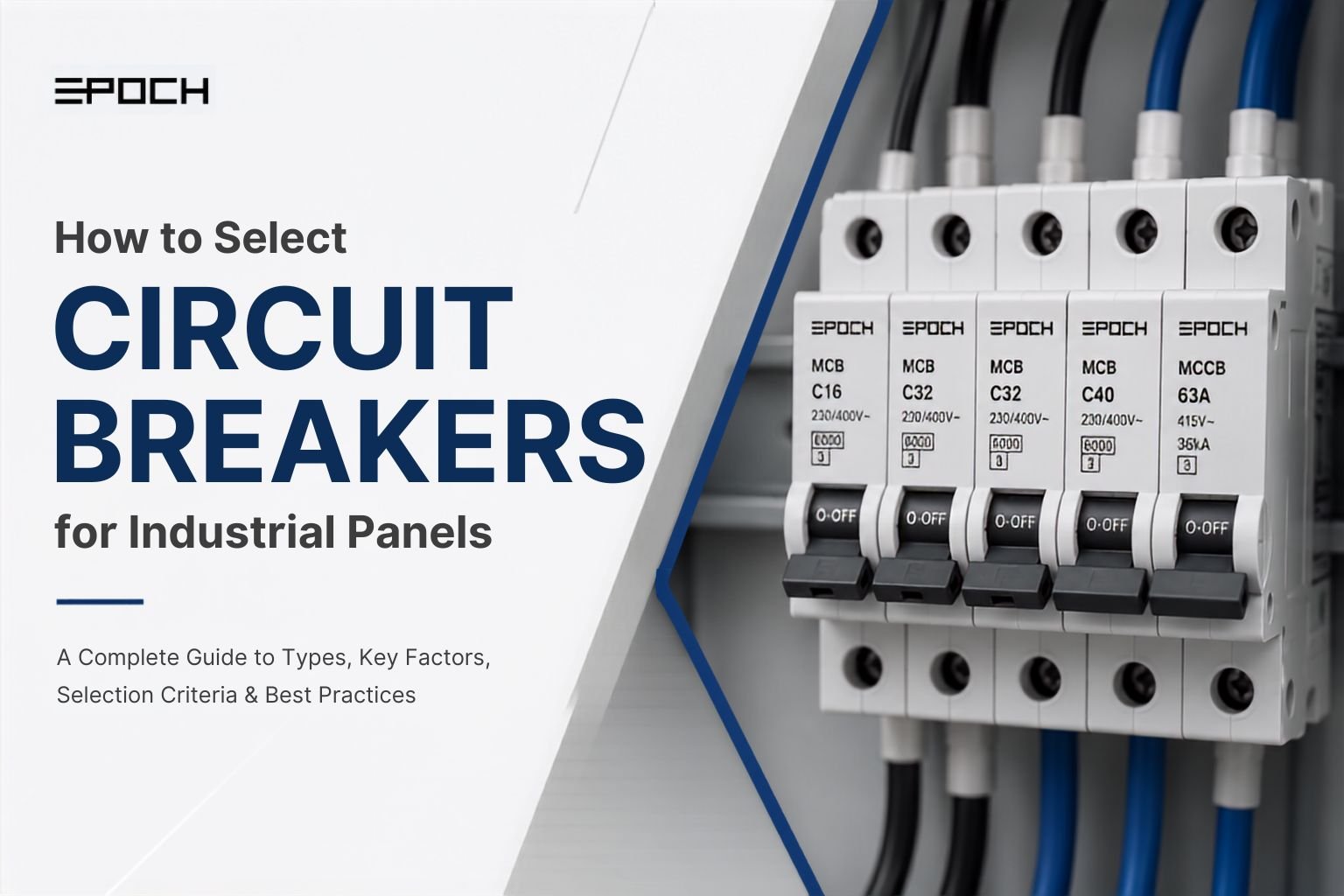
Selecting the right circuit breaker is critical for ensuring the safety, reliability, and efficiency of industrial electrical systems. From protecting motors and automation equipment to preventing costly downtime, proper circuit breaker selection involves evaluating load current, breaking capacity, trip characteristics, and environmental conditions. This guide explains the different types of industrial circuit breakers, common selection mistakes, and key factors engineers and panel builders should consider when designing or upgrading industrial control panels.
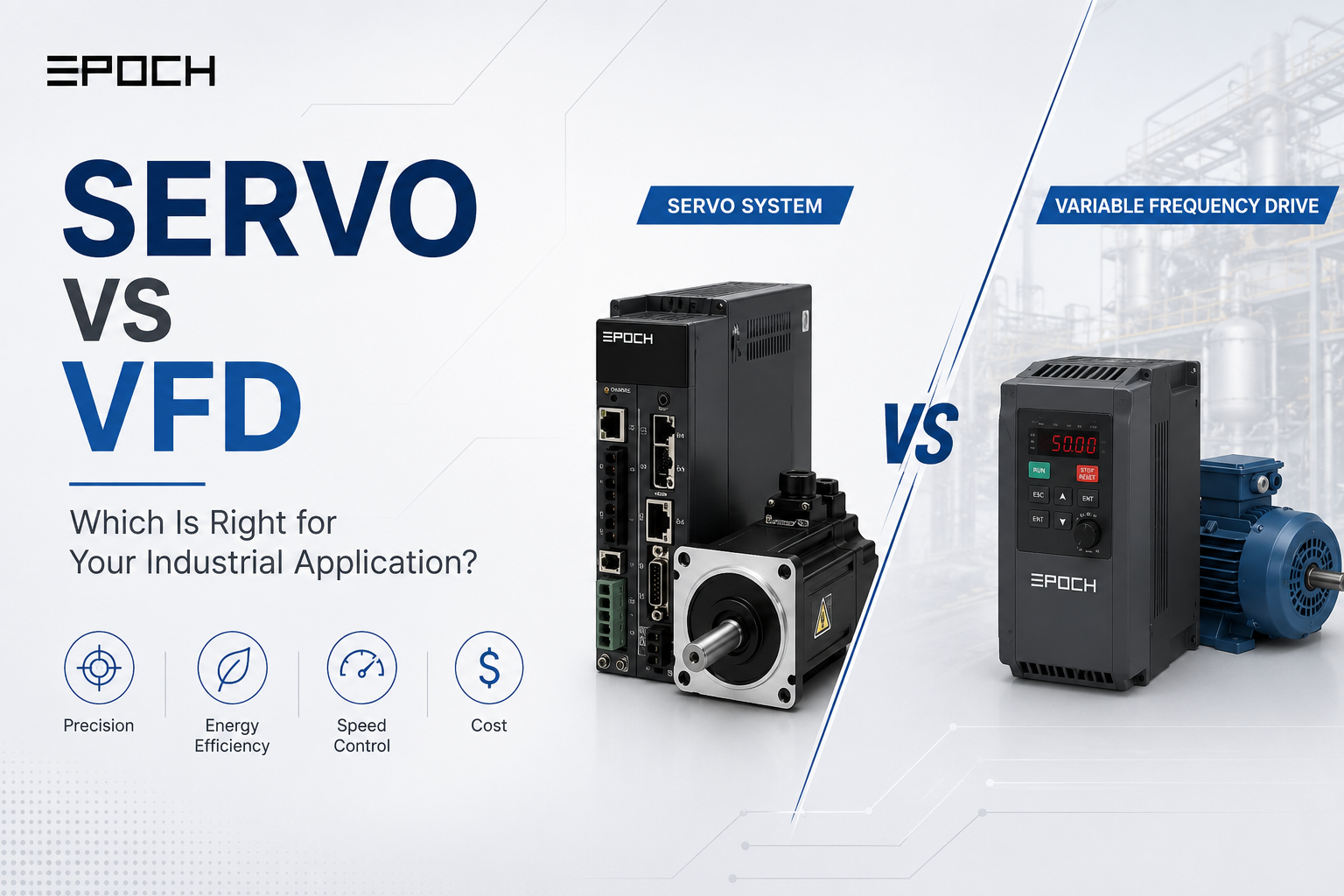
Servo Motors and Variable Frequency Drives (VFDs) are designed for different industrial applications. Servo systems provide precise position, speed, and torque control for high-accuracy automation such as CNC machines and robotics. VFDs control the speed of AC motors to improve energy efficiency and are commonly used in pumps, fans, compressors, and conveyor systems. The right choice depends on whether your priority is motion precision or efficient motor speed control.
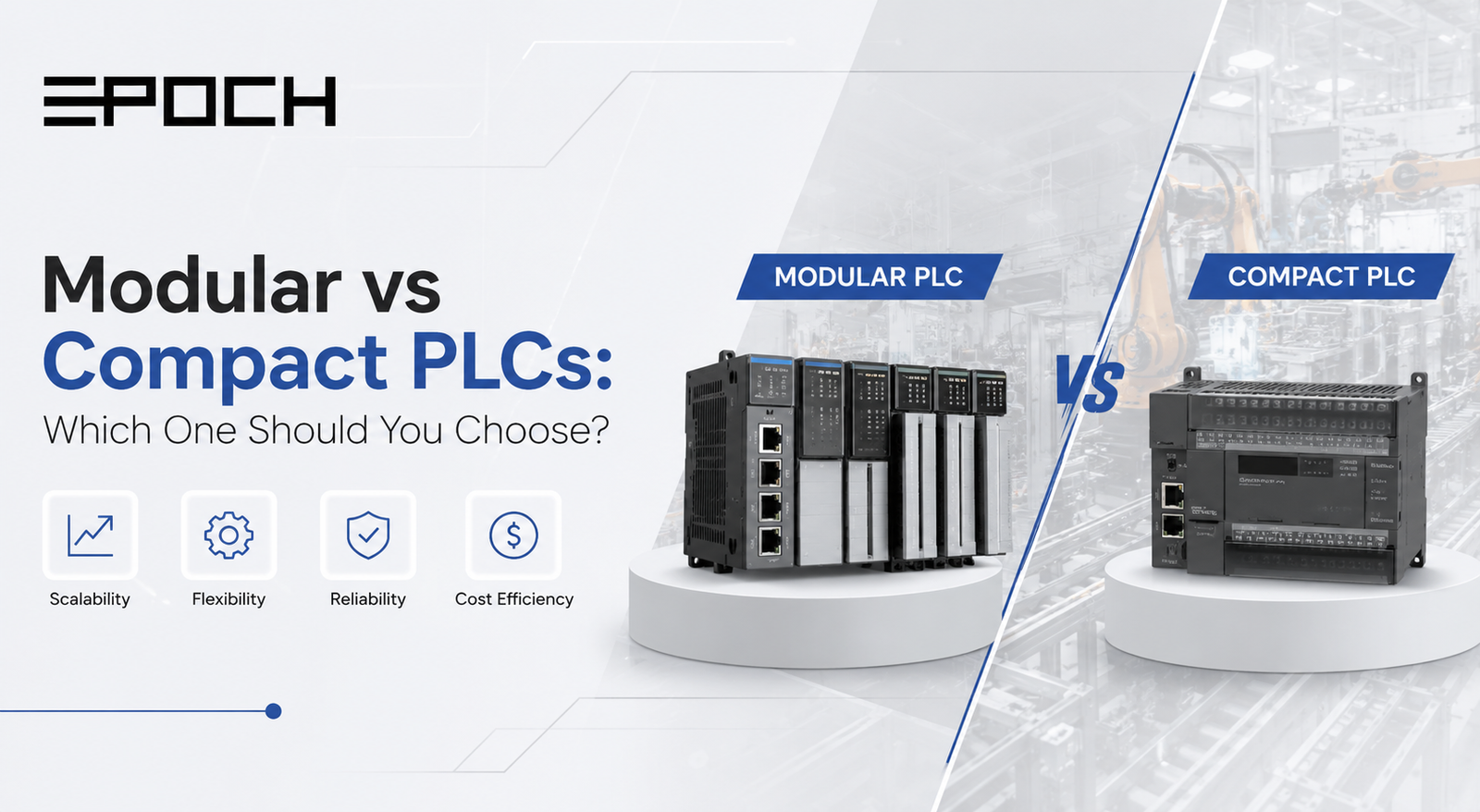
Choosing between a Modular PLC and a Compact PLC depends on your application's complexity, expansion requirements, and budget. Compact PLCs are ideal for standalone machines and smaller automation systems because they offer an integrated, cost-effective design with simple installation. Modular PLCs, on the other hand, provide greater scalability, higher processing power, and advanced networking capabilities, making them suitable for large and complex industrial applications. Understanding your current operational needs and future growth plans is essential for selecting the right PLC and building a reliable, efficient automation system.
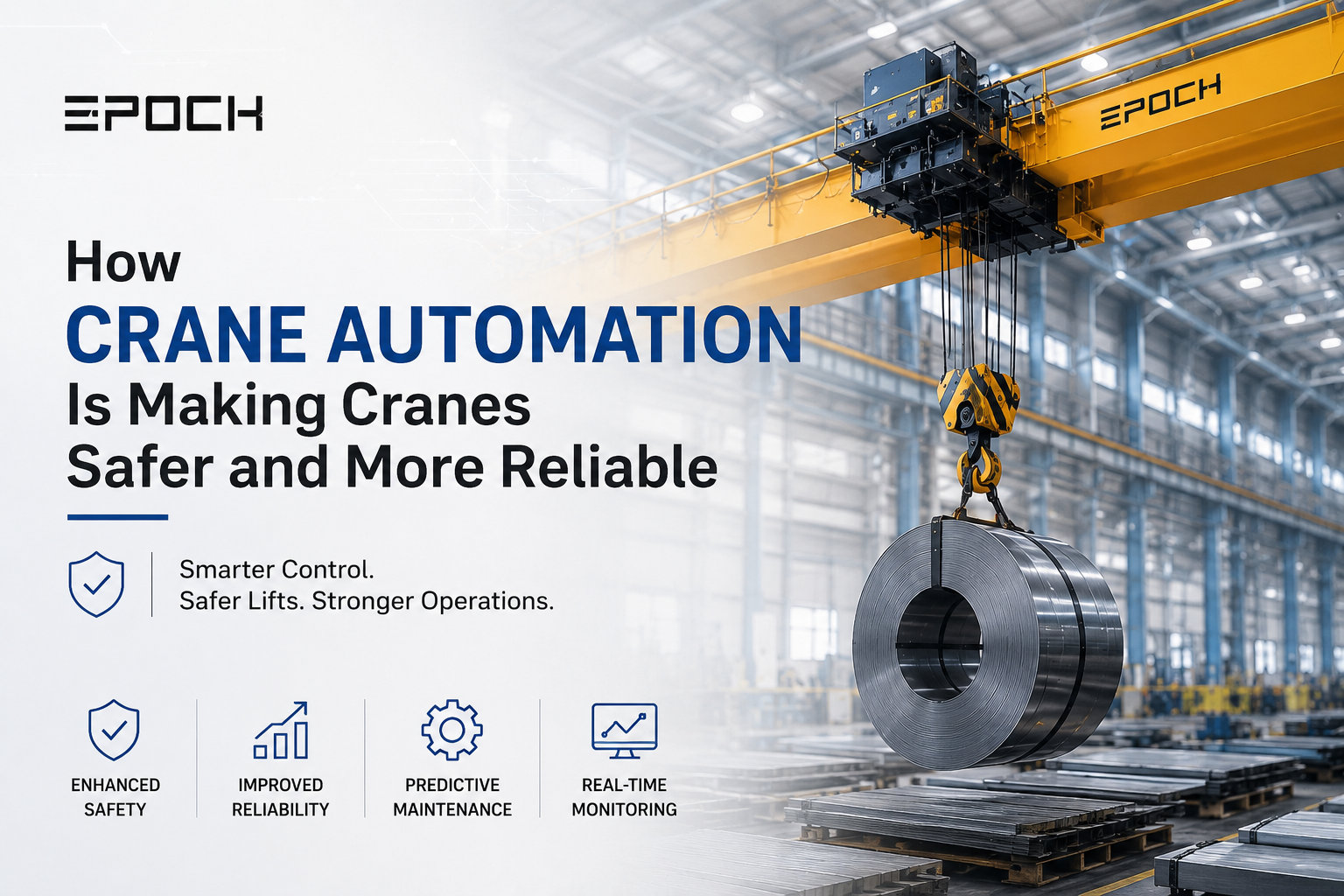
Crane automation is transforming industrial operations by making cranes safer, smarter, and more reliable. Through technologies such as real-time monitoring, predictive maintenance, anti-collision systems, and PLC and VFD integration, automated crane systems help reduce downtime, improve lifting precision, extend equipment life, and minimise operational risks. From manufacturing plants and ports to warehouses and construction sites, businesses are adopting crane automation to enhance productivity, strengthen workplace safety, and achieve greater operational efficiency.
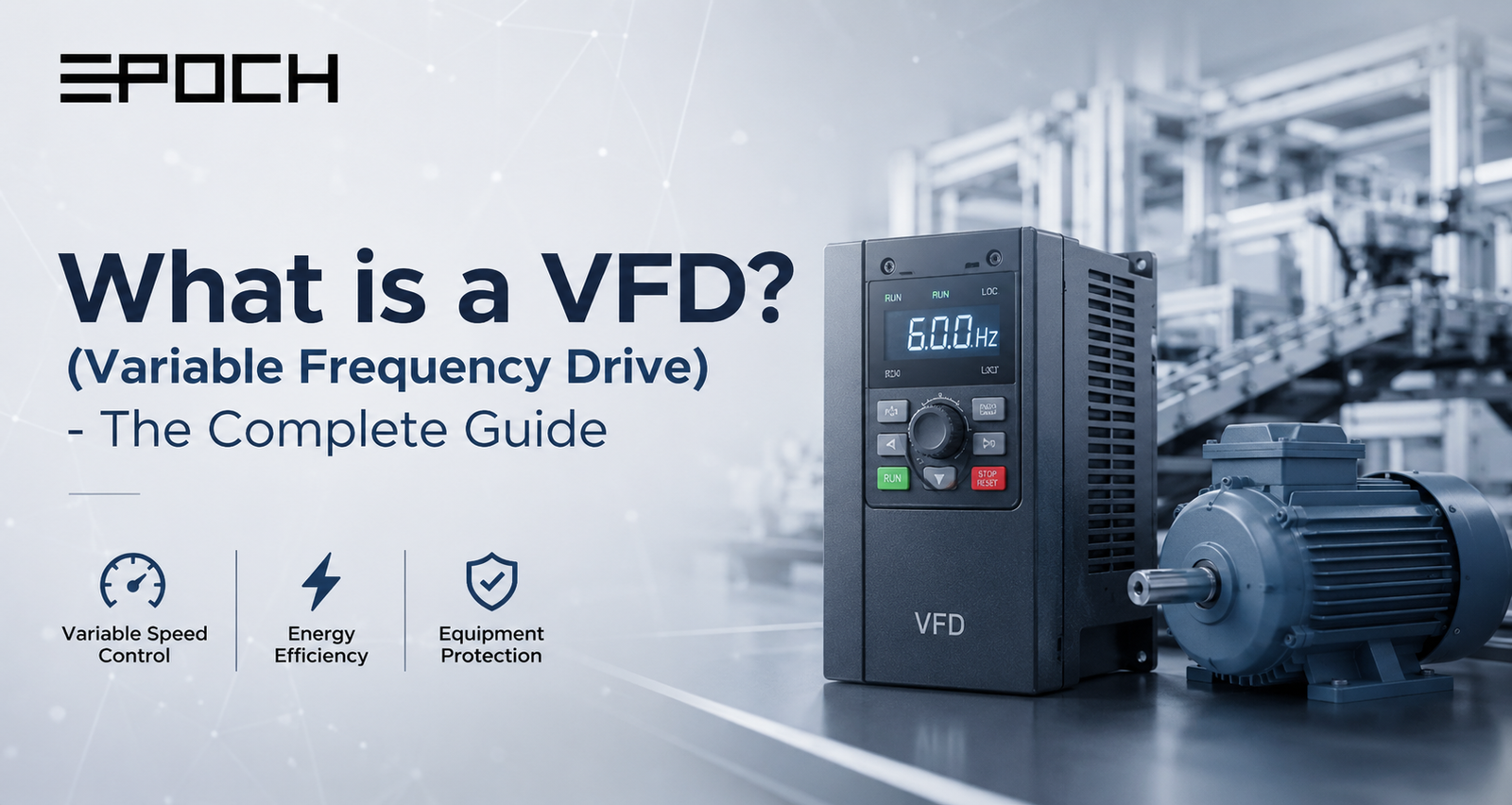
A Variable Frequency Drive (VFD) controls an AC motor's speed by adjusting the frequency and voltage of its power supply instead of running the motor flat-out and throttling the output mechanically. This guide covers exactly how a VFD works, where it's used, the different types and control methods, and how to select the right one for your application.
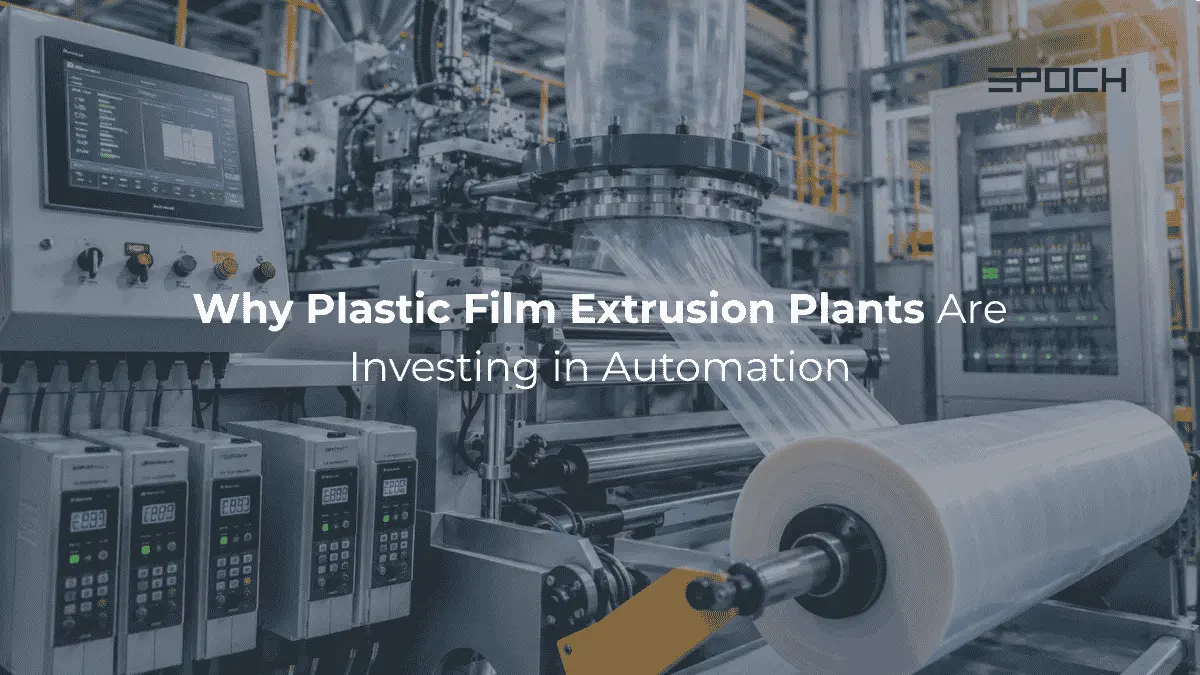
Plastic film extrusion is one of the most demanding manufacturing processes in the plastics industry. From food packaging films and agricultural films to industrial liners and consumer packaging materials, manufacturers must maintain consistent quality while operating at increasingly higher production speeds. Modern customers expect uniform film thickness, superior optical properties, improved durability, and defect-free products. At the same time, manufacturers face rising energy costs, growing competition, stricter quality requirements, and increasing pressure to reduce waste. Plastic film extrusion involves the continuous control of several critical parameters, including melt temperature, screw speed, die pressure, cooling airflow, winding tension, and line speed. Even minor fluctuations in these variables can result in thickness variations, surface defects, material waste, and production inefficiencies. Automation enables manufacturers to continuously monitor and control these parameters in real time. By reducing manual intervention and improving process stability, automation systems help extrusion plants achieve higher productivity, better quality consistency, and lower operating costs.
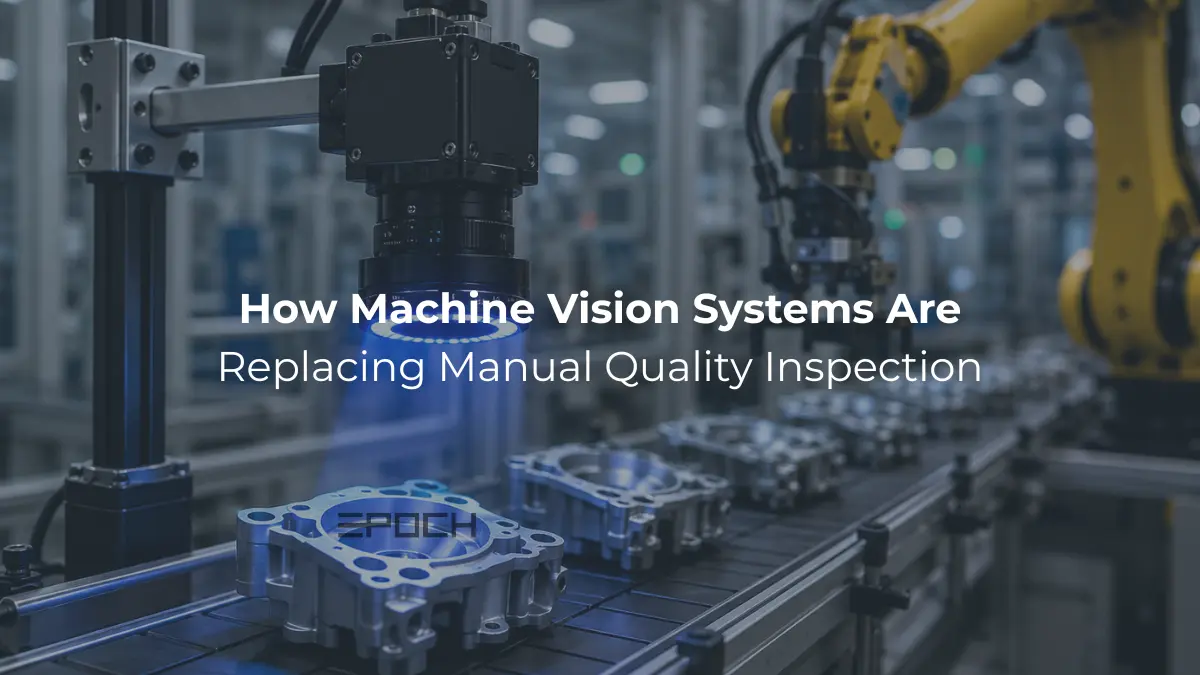
Modern manufacturing environments are evolving faster than ever before. Industries today are expected to maintain higher production speeds, stricter quality standards, and greater operational efficiency while reducing defects and minimizing production downtime. Customers demand flawless products, regulatory standards continue becoming stricter, and production lines now operate at speeds that traditional manual inspection methods often struggle to support. For many years, manual quality inspection remained one of the most important processes in industrial manufacturing. Skilled operators visually inspected products, verified dimensions, checked assembly accuracy, monitored labels, and identified visible defects during production.
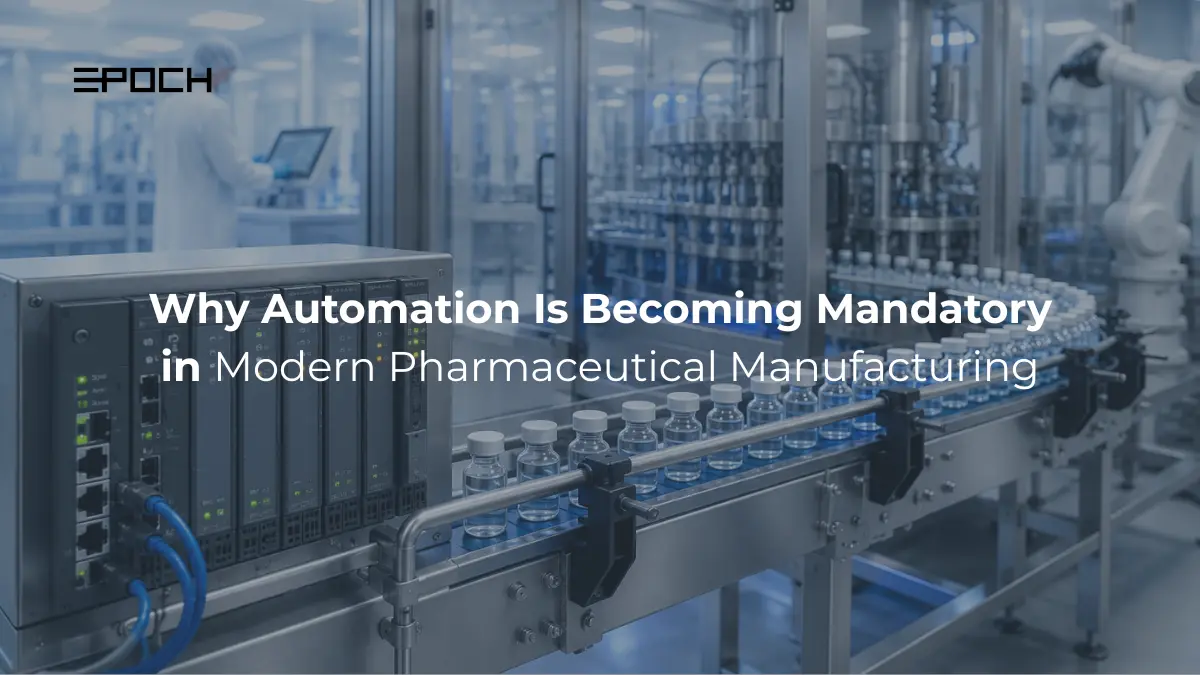
The pharmaceutical manufacturing industry is evolving rapidly under increasing regulatory pressure, rising global medicine demand, and stricter production quality standards. Modern pharmaceutical facilities are expected to maintain precise process control, eliminate contamination risks, improve operational efficiency, and ensure complete batch traceability across every stage of production. In highly regulated production environments, even small operational inconsistencies can affect product quality, delay approvals, or create compliance challenges. As a result, pharmaceutical companies are investing heavily in automation systems that improve production accuracy, process stability, and manufacturing reliability. Industrial automation technologies such as PLC systems, SCADA platforms, VFD drives, industrial sensors, and intelligent monitoring infrastructure are now playing a critical role in pharmaceutical manufacturing facilities worldwide. Modern pharmaceutical plants increasingly rely on automation not only to improve productivity, but also to maintain GMP compliance, reduce operational risk, and support long-term manufacturing scalability.
Showing 1 to 9 of 25 results


