




Why Electrical Protection Matters in Industrial Systems
Industrial facilities operate using high-powered electrical systems connected to motors, automation panels, pumps, drives, transformers, HVAC systems, and industrial machinery. Without proper protection, electrical faults can quickly damage expensive equipment and interrupt production processes.
Electrical protection devices are designed to:
- Detect abnormal electrical conditions
- Prevent overload-related damage
- Isolate faulty circuits
- Reduce fire risks
- Protect operators and industrial equipment
- Maintain system stability during fault conditions
Different protection devices are used depending on voltage levels, current ratings, and the type of fault protection required inside the system.
What Is MCCB?
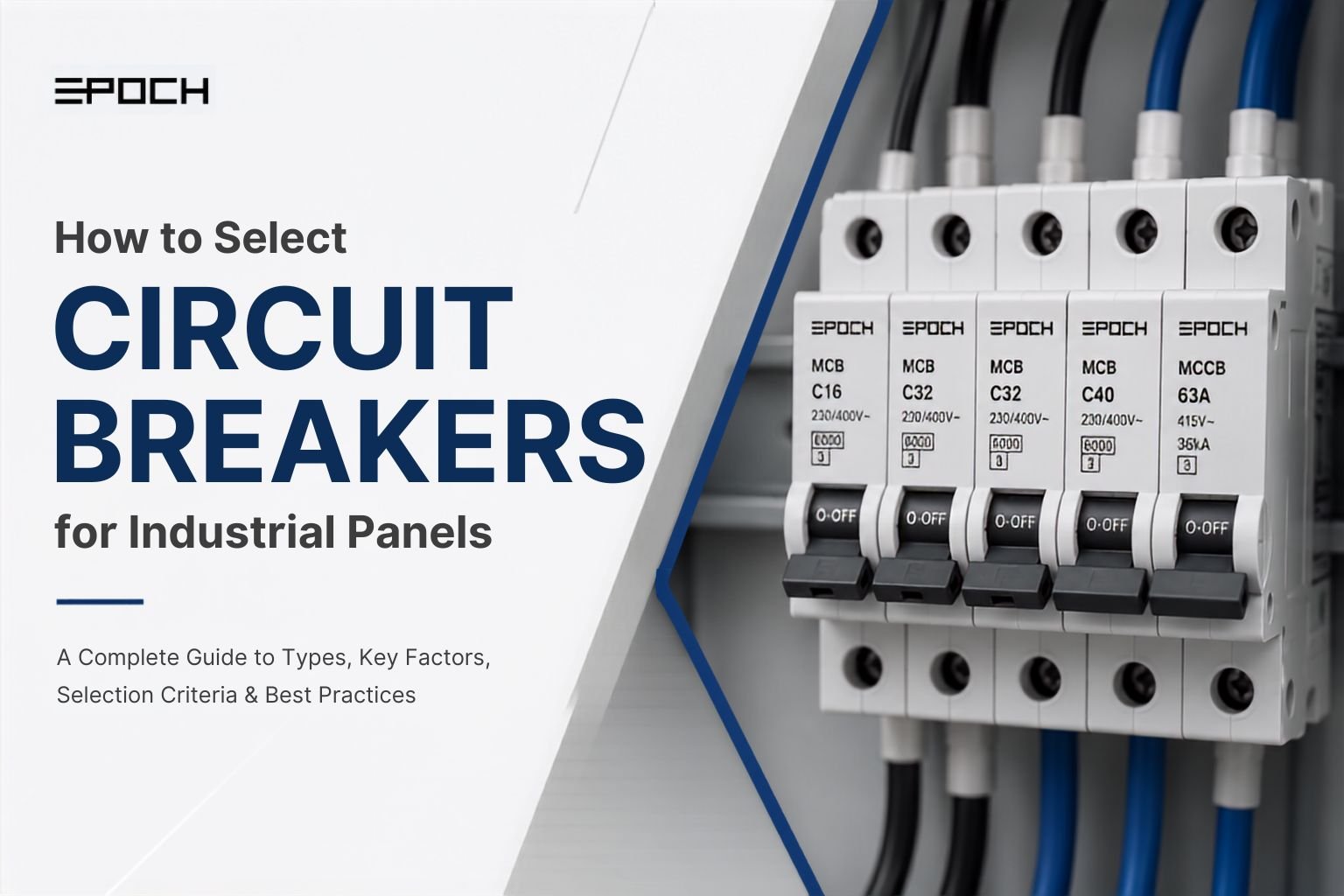
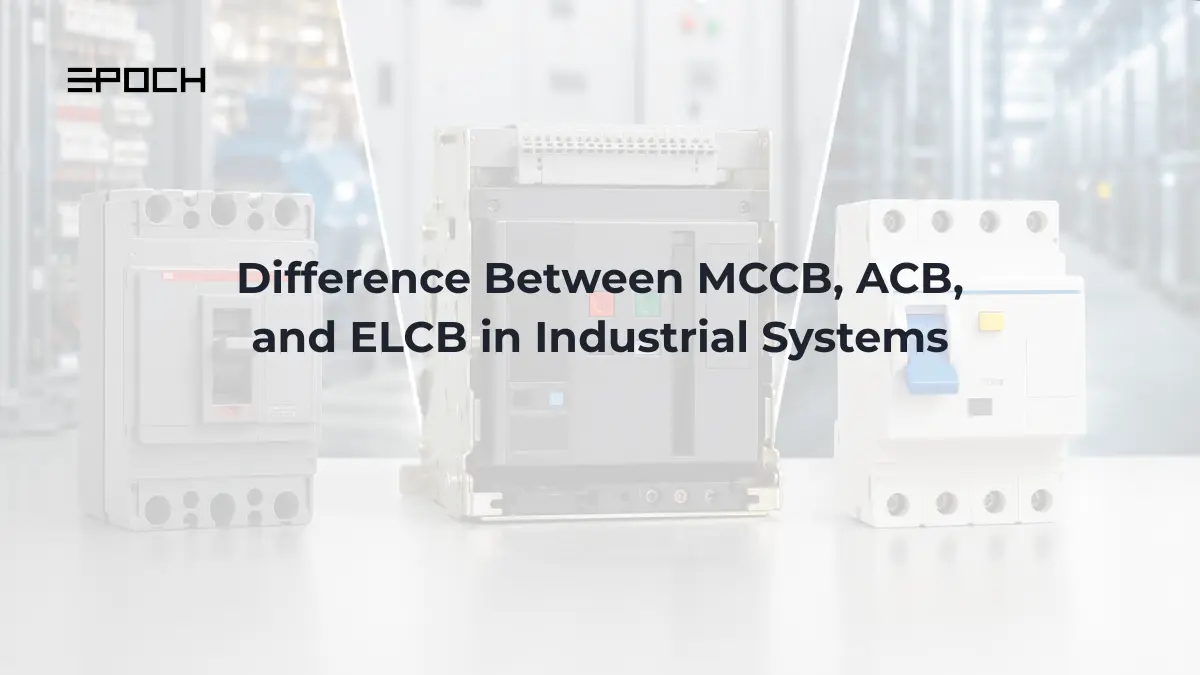
MCCB stands for Molded Case Circuit Breaker. These circuit breakers are widely used in industrial systems for overload and short-circuit protection.
Unlike standard miniature circuit breakers, MCCBs are designed to handle higher current capacities and industrial operating conditions. They are commonly installed inside electrical panels, motor control centers, automation systems, and industrial power distribution networks.
MCCBs automatically disconnect the circuit when excessive current flow is detected.
Applications of MCCB in Industrial Systems
MCCBs are commonly used in:
- Industrial control panels
- Motor protection systems
- Manufacturing facilities
- Pumping stations
- HVAC systems
- Automation panels
- Industrial distribution boards
Their adjustable trip settings make them suitable for industrial systems where different load conditions exist.
In industrial automation environments, MCCBs help protect:
- PLC systems
- VFD panels
- Motors and drives
- Industrial machinery
- Distribution circuits
Industries searching for reliable electrical protection systems often work with MCCB Suppliers in UAE to identify protection devices suitable for different industrial load requirements.
Key Advantages of MCCB
MCCBs are preferred in industrial systems because they support:
- High current handling capability
- Adjustable trip characteristics
- Reliable short-circuit protection
- Compact installation design
- Better protection coordination in industrial panels
These characteristics make MCCBs suitable for medium-voltage and low-voltage industrial applications where operational reliability is important.
What Is ELCB?
ELCB stands for Earth Leakage Circuit Breaker. This protection device is designed specifically to detect leakage current flowing toward the earth due to insulation failure or electrical faults.
Unlike MCCBs, which focus on overload and short-circuit protection, ELCBs are primarily used for personnel safety and leakage protection.
When leakage current exceeds a predefined limit, the ELCB disconnects the circuit automatically to reduce the risk of electric shock and electrical hazards.
Industrial Applications of ELCB
ELCB systems are commonly installed in:
- Industrial buildings
- Control rooms
- Commercial facilities
- Automation panels
- Electrical distribution systems
- HVAC infrastructure
- Utility installations
These devices are especially important in environments where moisture, exposed wiring, or equipment grounding issues may create electrical safety risks.
ELCB systems help industries improve:
- Operator safety
- Electrical leakage detection
- Ground fault isolation
- Protection against electric shock
Industrial facilities requiring leakage protection systems often coordinate with ELCB Suppliers in UAE to implement suitable safety solutions across industrial and commercial installations.
Limitations of ELCB Systems
Although ELCBs provide important safety protection, they are not designed to replace overload or short-circuit protection systems.
ELCBs cannot fully protect against:
- Heavy overload conditions
- High short-circuit current
- Industrial motor startup loads
Because of this, ELCBs are usually integrated together with MCCBs or other circuit protection systems.
What Is ACB?
ACB stands for Air Circuit Breaker. These breakers are designed for high-current industrial applications involving large electrical loads and main power distribution systems.
ACBs use air as the arc extinguishing medium during circuit interruption. They are commonly installed in industrial facilities where high-capacity electrical systems require reliable protection and controlled power distribution.
ACBs are typically found in:
- Main LT panels
- Industrial power distribution systems
- Generator synchronization panels
- Large manufacturing facilities
- Heavy industrial infrastructure
Unlike MCCBs, ACBs are designed for significantly higher current capacities and larger electrical systems.
Industrial Applications of ACB
ACBs are commonly used in environments involving:
- Large industrial plants
- Heavy manufacturing operations
- Data centers
- Utility infrastructure
- Power generation systems
- Industrial substations
These systems help industries manage:
- High current distribution
- Main incoming electrical supply
- Fault isolation in large power systems
- Protection coordination across industrial facilities
Industrial facilities operating high-capacity electrical systems often work with ACB Suppliers in UAE to implement protection systems suitable for critical infrastructure and heavy-load applications.
Main Difference Between MCCB, ELCB, and ACB
Although all three devices provide electrical protection, their operational purpose differs significantly.
| Protection Device | Primary Function | Common Application |
| MCCB | Overload and short-circuit protection | Industrial panels and machinery |
| ELCB | Leakage current and shock protection | Personnel and electrical safety |
| ACB | High-current power distribution protection | Main industrial power systems |
Understanding these differences is essential when designing industrial electrical infrastructure.
Choosing the Right Protection Device
Selecting the correct protection system depends on several industrial factors, including:
- Load capacity
- Fault current level
- Safety requirements
- Type of industrial application
- Distribution system architecture
- Operational environment
For example:
- MCCBs are suitable for equipment and branch protection
- ELCBs are used where human safety and leakage detection are important
- ACBs are used for large-scale electrical distribution systems
Using the wrong protection device can result in system instability, unnecessary tripping, equipment damage, or inadequate fault protection.
Common Industrial Protection Mistakes
Many industrial systems experience electrical issues because protection devices are incorrectly selected or improperly coordinated.
Common mistakes include:
- Using undersized breakers for industrial motors
- Installing ELCBs without proper overload protection
- Incorrect breaker coordination inside panels
- Ignoring fault current calculations
- Poor grounding and earthing systems
These issues often lead to:
- Frequent tripping
- Electrical downtime
- Motor damage
- Increased maintenance requirements
- Reduced operational reliability
Proper system design and protection coordination are critical for long-term industrial performance.
Electrical Protection in Modern Automation Systems
Modern industrial automation environments involve interconnected systems such as:
- PLC panels
- VFD systems
- Industrial robotics
- Servo systems
- SCADA infrastructure
- Motor control centers
These systems require stable and coordinated electrical protection to maintain uninterrupted operation.
At Epoch International, industrial electrical solutions are selected based on operational load conditions, automation infrastructure requirements, and long-term system reliability across industrial environments.
Conclusion
MCCB, ELCB, and ACB systems each play a different role in industrial electrical protection. While MCCBs help protect industrial equipment from overload and short-circuit conditions, ELCBs focus on leakage current and personnel safety. ACBs are designed for large-scale industrial power distribution systems involving high-current applications.
Understanding the difference between these protection systems helps industries design safer and more reliable electrical infrastructure for manufacturing plants, automation systems, industrial facilities, and power distribution environments.
Proper protection coordination not only improves electrical safety but also supports stable industrial operation, reduced downtime, and long-term equipment reliability.