




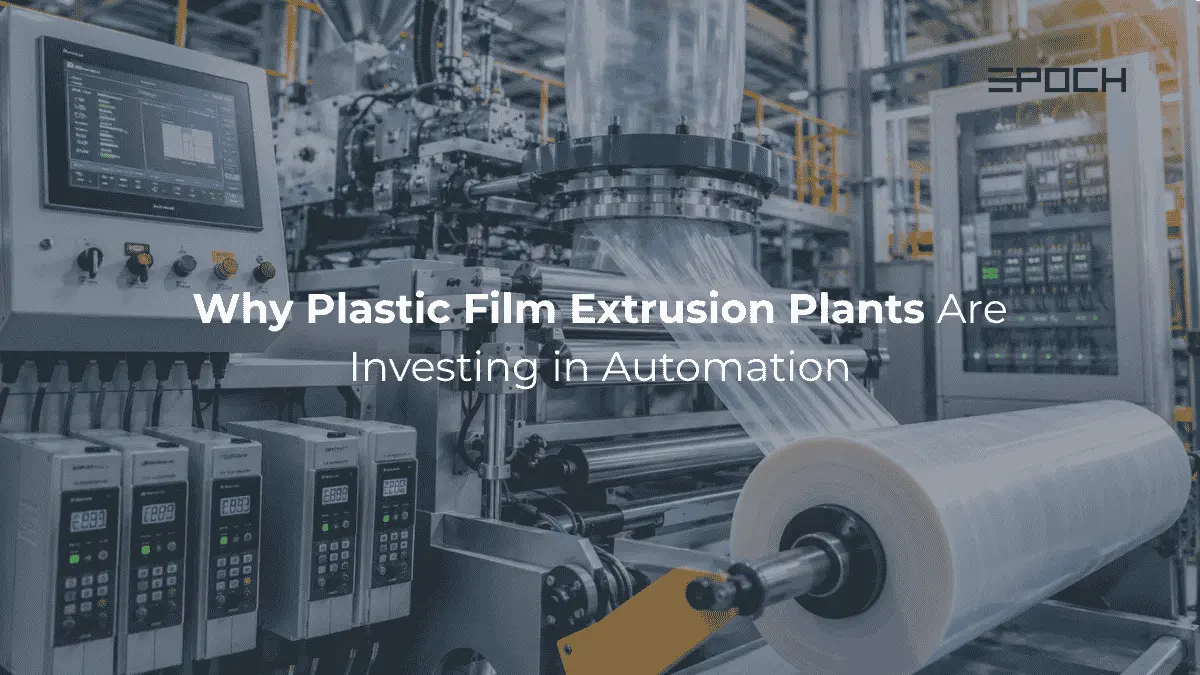
PLC-Based Control Systems: The Brain of Modern Extrusion Lines
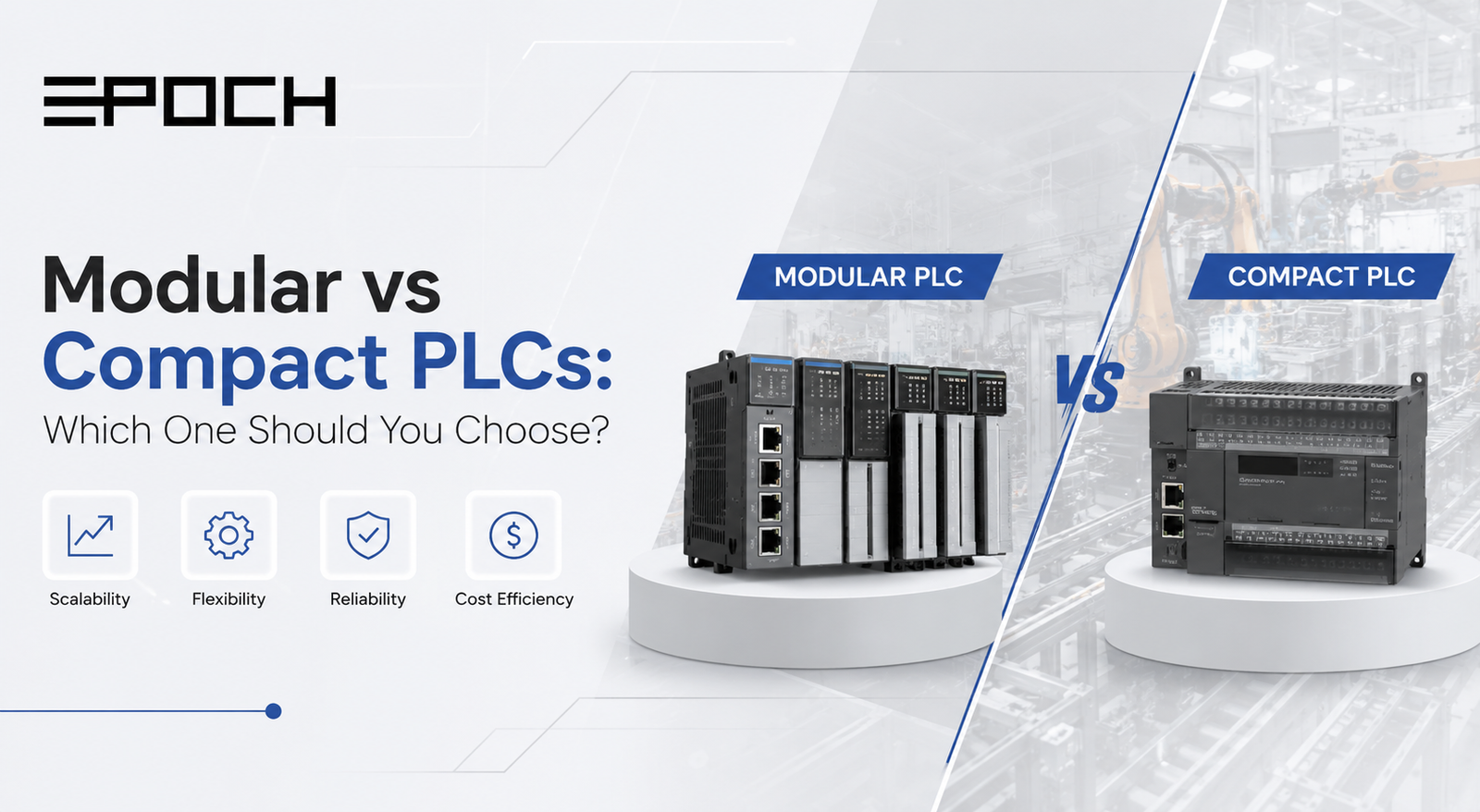
Programmable Logic Controllers (PLCs) serve as the central control platform for modern plastic film extrusion facilities. These systems collect data from sensors, process control devices, and field equipment while coordinating machine operations across the production line.
Modern extrusion facilities depend on intelligent control systems to maintain consistent production performance. Manufacturers planning automation upgrades often work with a PLC system Supplier in UAE to implement advanced control architectures that improve process stability, reduce manual intervention, and enhance operational visibility throughout the manufacturing process.
Typical PLC-controlled functions include:
- Extruder barrel temperature control
- Screw speed regulation
- Gravimetric dosing systems
- Hopper feeding systems
- Cooling and air-ring management
- Film winding operations
- Safety interlocks
- Alarm monitoring
- Material handling systems
When integrated with industrial communication networks, PLC systems provide centralized control and improve coordination across multiple production processes.
Modern operator interfaces have become equally important in extrusion environments. Working with a trusted HMI Supplier in UAE enables manufacturers to simplify machine operation, improve alarm management, monitor production parameters in real time, and enhance operator efficiency across the production floor.
The result is improved operational control, greater production stability, and reduced dependency on manual adjustments.
How VFD Technology Improves Plastic Film Extrusion Performance
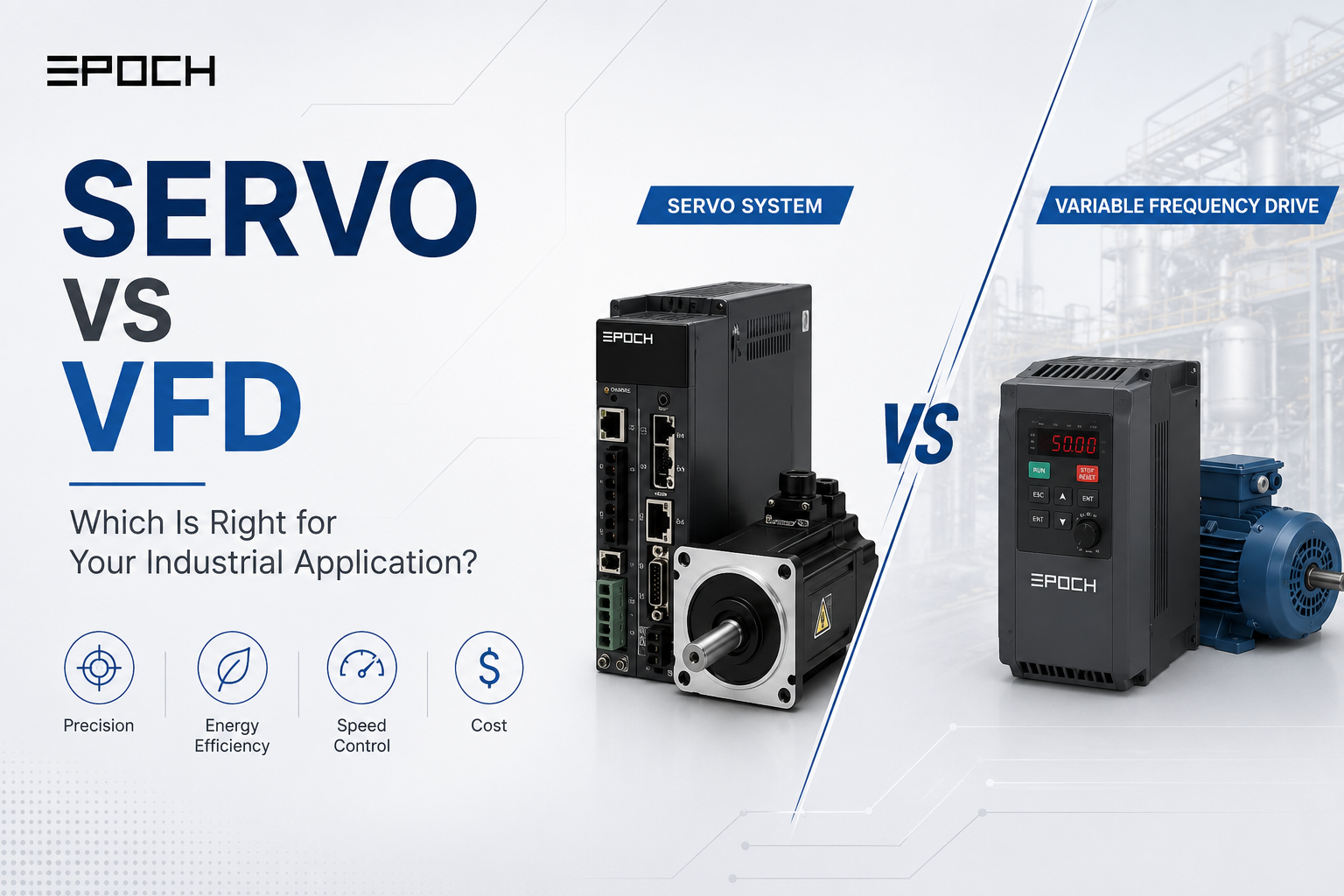
Variable Frequency Drives have become one of the most important technologies in modern plastic film manufacturing facilities. By controlling motor speed through precise frequency and voltage adjustment, VFD systems provide improved process control and energy efficiency.
Many manufacturers collaborate with a reliable VFD supplier in UAE to implement motor control solutions that improve production consistency, reduce energy consumption, and minimize mechanical stress on critical equipment.
VFDs are commonly used in:
- Extruder screw drives
- Haul-off systems
- Cooling fans
- Air-ring blowers
- Winding equipment
- Material conveying systems
- Pellet feeding systems
Accurate motor speed control helps maintain stable melt flow, improve film thickness consistency, and reduce process variability.
In many extrusion plants, VFD implementation has resulted in significant reductions in energy consumption while improving overall equipment reliability and operational efficiency.
Achieving Quality Consistency Through Automation
Maintaining consistent product quality remains one of the biggest challenges in plastic film manufacturing. Whether operating a blown film extrusion process or a cast film production line, maintaining precise film thickness control is critical for customer satisfaction and operational profitability.
Automation helps manufacturers maintain quality through continuous monitoring and real-time process adjustments.
Precise Process Control
Automated control systems continuously regulate critical operating parameters to maintain target specifications throughout the production cycle.
Continuous Data Collection
Industrial sensors provide real-time feedback on temperature, pressure, speed, and material flow conditions.
Automated Alarm Management
Operators receive immediate notifications whenever process variables move outside acceptable operating limits.
Reduced Human Intervention
Automation reduces operator-dependent variability and helps maintain repeatable production conditions.
Predictive Maintenance
Equipment monitoring systems identify potential issues before they lead to production interruptions or quality problems.
By maintaining stable operating conditions, manufacturers can reduce scrap generation, improve product consistency, and enhance overall manufacturing performance.
Real-Time Production Monitoring and Industry 4.0
Modern extrusion line automation platforms provide manufacturers with deeper insights into production performance through real-time monitoring and data analysis.
Industry 4.0 technologies collect information from PLCs, VFDs, sensors, and field devices to create a complete view of plant operations.
Production managers can monitor:
- Production output
- Energy consumption
- Machine utilization
- Downtime events
- Process temperatures
- Motor performance
- Quality metrics
- Maintenance requirements
Real-time process monitoring enables faster decision-making while improving manufacturing efficiency and operational visibility.
Advanced analytics and predictive maintenance solutions can also identify equipment issues before failures occur, helping manufacturers reduce downtime and maintenance costs.
How Epoch International Supports Plastic Industry Automation
As an experienced industrial equipment supplier in Dubai, Epoch International supports plastic film manufacturers with advanced automation technologies designed to improve process control, enhance energy efficiency, reduce downtime, and support long-term operational reliability.
The company supplies and supports a wide range of industrial automation solutions, including:
- PLC systems
- Human Machine Interfaces
- Variable Frequency Drives
- Industrial sensors
- SCADA systems
- Industrial communication products
- Automation spare parts
- Repair and refurbishment services
Whether supporting new extrusion line installations, modernization projects, emergency breakdown requirements, or obsolete spare-part sourcing, Epoch International helps manufacturers maintain reliable and efficient operations.
Looking to Modernize Your Plastic Film Extrusion Plant?
Improving film quality, reducing energy consumption, minimizing scrap generation, and increasing production efficiency all require reliable automation infrastructure.
Epoch International supports plastic film manufacturers with industrial automation solutions designed to improve process control and operational performance.
Our solutions include:
- PLC Systems
- HMIs
- Variable Frequency Drives
- Industrial Sensors
- SCADA Platforms
- Industrial Networking Components
- Automation Spare Parts
- Repair and Refurbishment Services
By implementing the right automation strategy, manufacturers can improve productivity, reduce operating costs, and build a more competitive production environment.
Conclusion
Automation is fundamentally transforming plastic film extrusion operations by improving process control, enhancing product quality, reducing energy consumption, and supporting data-driven manufacturing decisions.
From PLC-based control systems and intelligent motor management to Industry 4.0 monitoring and predictive maintenance, modern automation technologies help manufacturers achieve greater efficiency, improved reliability, and superior production performance.
Facilities that invest in intelligent automation solutions are better positioned to reduce waste, improve film quality, optimize energy usage, and maintain a competitive advantage in an increasingly demanding manufacturing landscape.