




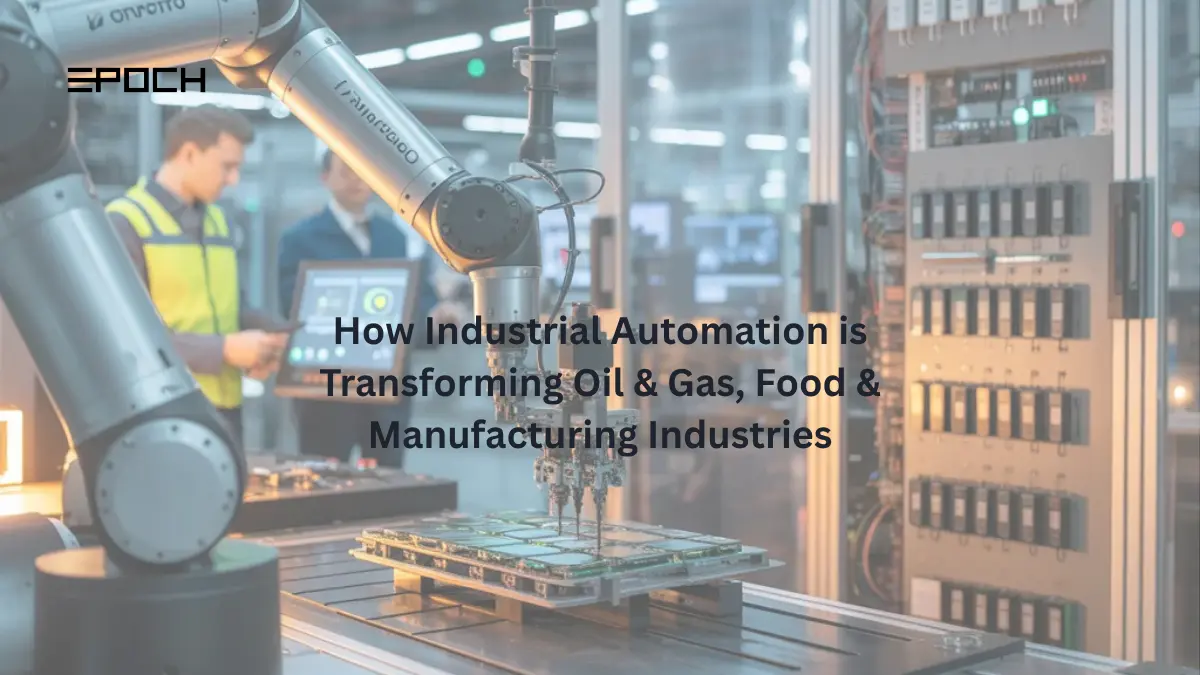
The demand is not just for faster production, it is for predictable, data-driven performance. Downtime, inconsistency, and human error are no longer acceptable in environments where margins, safety, and compliance are tightly controlled.
This is where industrial automation becomes critical. Businesses today are actively partnering with a reliable industrial automation equipment supplier in UAE to implement scalable solutions that align with long-term operational goals.
Understanding Industrial Automation: Core Components and System Architecture
Industrial automation is the use of control systems, software, and hardware to operate industrial processes with minimal human intervention. It is not a single technology but a coordinated system of multiple components working in synchronization.
Key Components in Modern Automation Systems
- Programmable Logic Controllers (PLCs)
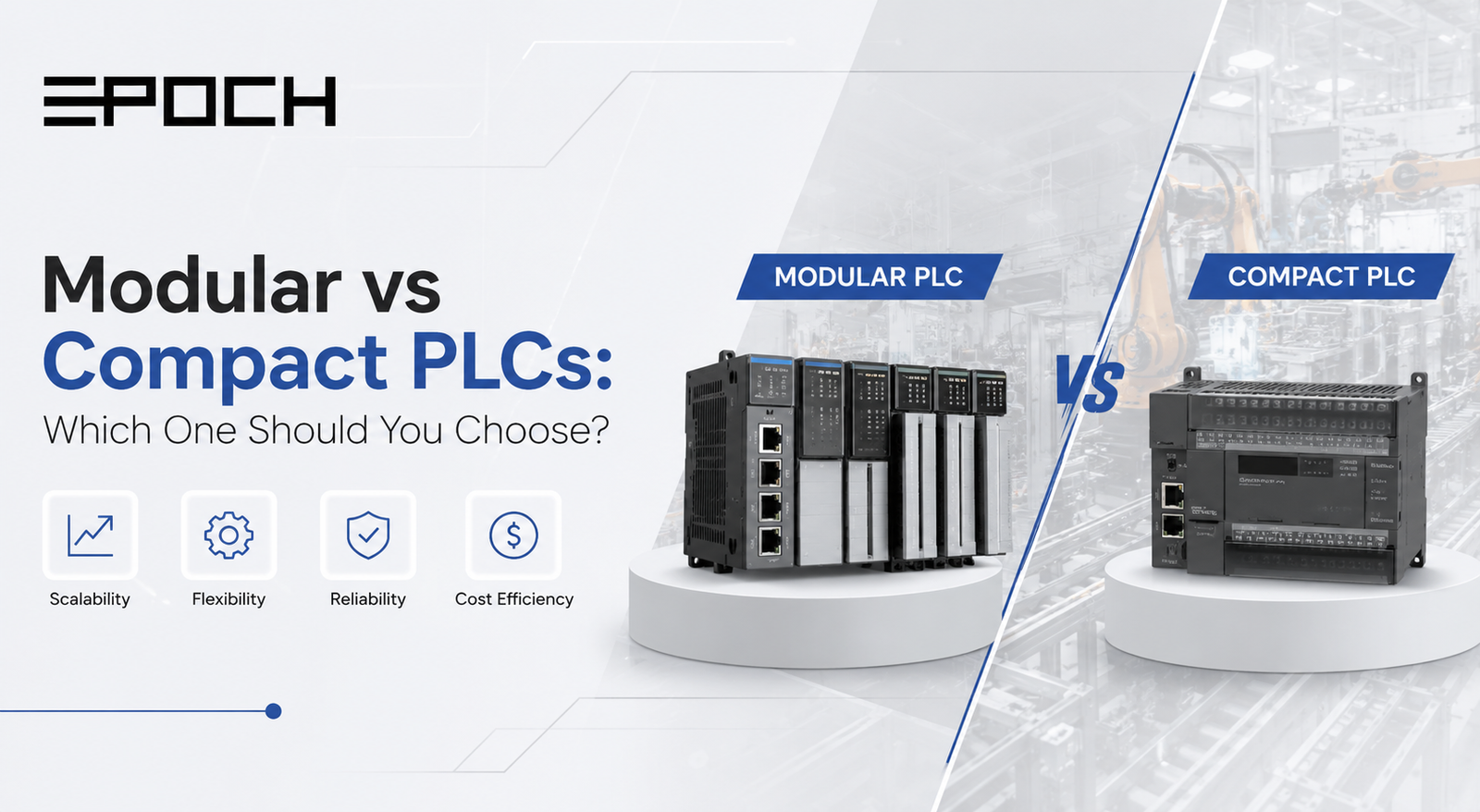
PLCs act as the brain of industrial systems, executing real-time logic to control machinery and processes. - Human Machine Interfaces (HMIs)
HMIs provide operators with visual insights into system performance, enabling monitoring and control. - Sensors and Instrumentation
These devices collect real-time data such as temperature, pressure, flow, and position. - Variable Frequency Drives (VFDs)
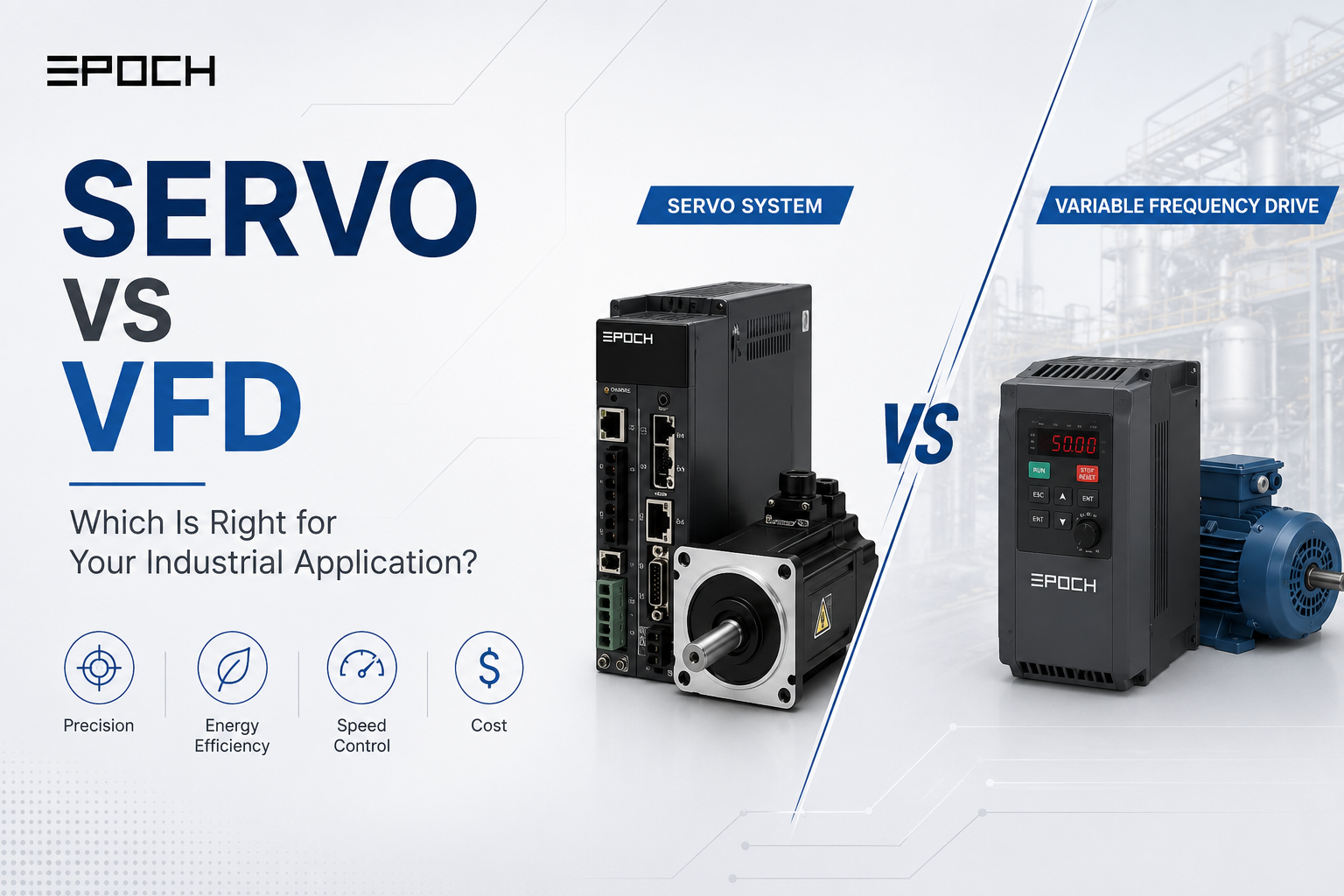
VFDs regulate motor speed and torque, improving energy efficiency and operational control. - Communication Protocols
Systems communicate using protocols like Modbus, Profibus, and Ethernet/IP to ensure seamless integration.
A well-designed automation architecture ensures that all components operate as a unified system, enabling real-time decision-making and process optimization.
Oil & Gas Industry: Automation in High-Risk, High-Value Environments
The oil & gas sector operates in environments where operational failure is not an option. From upstream exploration to downstream refining, every stage requires precision and control.
Automation Applications in Oil & Gas
- Real-time pipeline monitoring systems for leak detection
- Automated drilling systems for improved accuracy
- Distributed control systems maintaining process stability
- Emergency shutdown systems for safety compliance
Operational Advantages
- Reduced exposure of personnel to hazardous conditions
- Early fault detection through continuous monitoring
- Improved asset reliability and lifecycle management
- Faster response to operational anomalies
Automation systems supported by a trusted PLC Supplier in UAE play a critical role in maintaining system integrity and ensuring uninterrupted operations.
Food & Beverage Industry: Ensuring Quality, Safety, and Compliance
Food production environments demand consistency at scale. Variations in temperature, contamination risks, or packaging errors can directly impact product quality and brand reputation.
Where Automation Delivers Value
- Automated batching and mixing systems for consistent formulations
- Temperature-controlled processing environments
- High-speed filling and packaging lines
- Vision inspection systems for defect detection
Measurable Impact on Operations
- Uniform product quality across production cycles
- Increased throughput without compromising hygiene standards
- Full traceability for regulatory compliance
- Reduced material wastage and operational inefficiencies
Automation ensures that production systems meet strict quality standards while maintaining scalability.
Manufacturing Industry: From Conventional Production to Smart Factories
Manufacturing has evolved from labor-intensive processes to intelligent, interconnected production environments.
Key Automation Implementations
- Robotic systems for assembly, welding, and material handling
- PLC-controlled production lines ensuring synchronized operations
- Predictive maintenance systems using real-time analytics
- Integrated SCADA systems for centralized monitoring
Business Outcomes
- Continuous production with minimal interruptions
- Enhanced product precision and reduced defects
- Lower operational costs through optimized resource utilization
- Improved flexibility in adapting to production changes
Energy efficiency is further optimized through advanced motor control solutions provided by an experienced VFD Supplier in UAE, ensuring long-term cost savings.
Industrial IoT (IIoT): Enabling Connected and Intelligent Operations
Industrial automation is no longer limited to control systems, it is now driven by connectivity and data intelligence.
Capabilities Enabled by IIoT
- Real-time data exchange between machines and systems
- Remote monitoring and control of industrial operations
- Predictive maintenance based on performance analytics
- Integration with cloud and edge computing platforms
This shift allows industries to move from reactive operations to predictive and prescriptive decision-making, significantly improving efficiency and reliability.
Challenges in Automation Implementation
While automation delivers significant advantages, implementation requires strategic planning and technical expertise.
Common Challenges
- High initial capital investment
- Integration with legacy systems
- Requirement for skilled technical personnel
- Cybersecurity risks in connected environments
Addressing these challenges requires not just technologybut also the right combination of expertise, planning, and reliable component sourcing.
Role of Epoch International in Industrial Automation
Epoch International supports industrial transformation by delivering reliable automation components and technical solutions tailored to industry requirements.
Key Capabilities
- Supply of genuine PLCs, HMIs, VFDs, and control components
- Sourcing of obsolete and hard-to-find industrial spare parts
- Industry-specific expertise across oil & gas, food, and manufacturing
- Fast response and dependable technical support
By aligning product availability with operational needs, businesses can reduce downtime and improve system performance.
Future Trends in Industrial Automation
The next phase of industrial automation is driven by emerging technologies that enhance intelligence and adaptability.
Key Developments to Watch
- Artificial Intelligence for advanced process optimization
- Collaborative robots (cobots) working alongside human operators
- Digital twin technology for system simulation and testing
- Edge computing for real-time data processing
Organizations adopting these technologies early will position themselves ahead in terms of efficiency, scalability, and innovation.
Conclusion: Automation as a Long-Term Competitive Strategy
Industrial automation is no longer an optional upgrade, it is a fundamental requirement for businesses aiming to maintain efficiency, safety, and competitiveness.
Across oil & gas, food production, and manufacturing, automation is enabling smarter operations, reducing risks, and improving overall productivity.
With the right implementation strategy and access to reliable automation components, businesses can build systems that are not only efficient but also future-ready.