
EXPLORE AUTOMATION PARTS

GET TECHNICAL REPAIR QUOTE

CONTACT US NOW

WHATSAPP NOW
Industrial automation systems are designed to improve operational control, production consistency, process monitoring, and equipment efficiency across manufacturing and industrial environments. As industries continue shifting toward smart manufacturing and connected infrastructure, selecting the correct automation architecture has become increasingly important for long-term operational stability. Among the most widely used industrial automation technologies are PLC, SCADA, and DCS systems. Although these systems are commonly integrated together inside industrial facilities, each one is designed for a different operational purpose. Understanding how PLC, SCADA, and DCS systems function helps industries select the correct automation infrastructure based on process complexity, operational scale, and production requirements.
Industrial electrical systems depend on protection devices to maintain safe and stable operation across machines, control panels, power distribution systems, and automation infrastructure. In industrial environments where electrical loads continuously fluctuate, selecting the correct protection device is critical for preventing equipment damage, electrical faults, operational downtime, and safety risks. Among the most commonly used industrial protection devices are MCCB, ACB, and ELCB systems. Although these devices are all used for electrical protection, their working principles, applications, and operational purposes are completely different. Understanding the difference between these protection systems is important for industries involved in manufacturing, automation, infrastructure, utilities, oil and gas operations, and industrial power distribution.
Everything appears normal, until it isn’t. Machines continue running. Operators follow routine tasks. Production moves forward without interruption. But behind the scenes, small safety gaps begin to form. These gaps are often unnoticed, yet they carry serious consequences. In modern industrial environments, major incidents rarely come from sudden breakdowns. They develop gradually through overlooked issues such as bypassed interlocks, undetected faults, or delayed system responses. This is why industrial safety is no longer limited to basic protection. It requires intelligent systems that actively monitor, detect, and respond before risks escalate.
Industrial processes rely on stable motor control, predictable torque response, and consistent power quality. Variable Frequency Drives (VFDs) sit at the center of this control loop, regulating speed through precise frequency and voltage modulation. When a drive begins to trip, derate, or behave intermittently, the root cause is rarely a single fault, it is typically a combination of electrical stress, thermal loading, parameter mismatch, and environmental conditions.
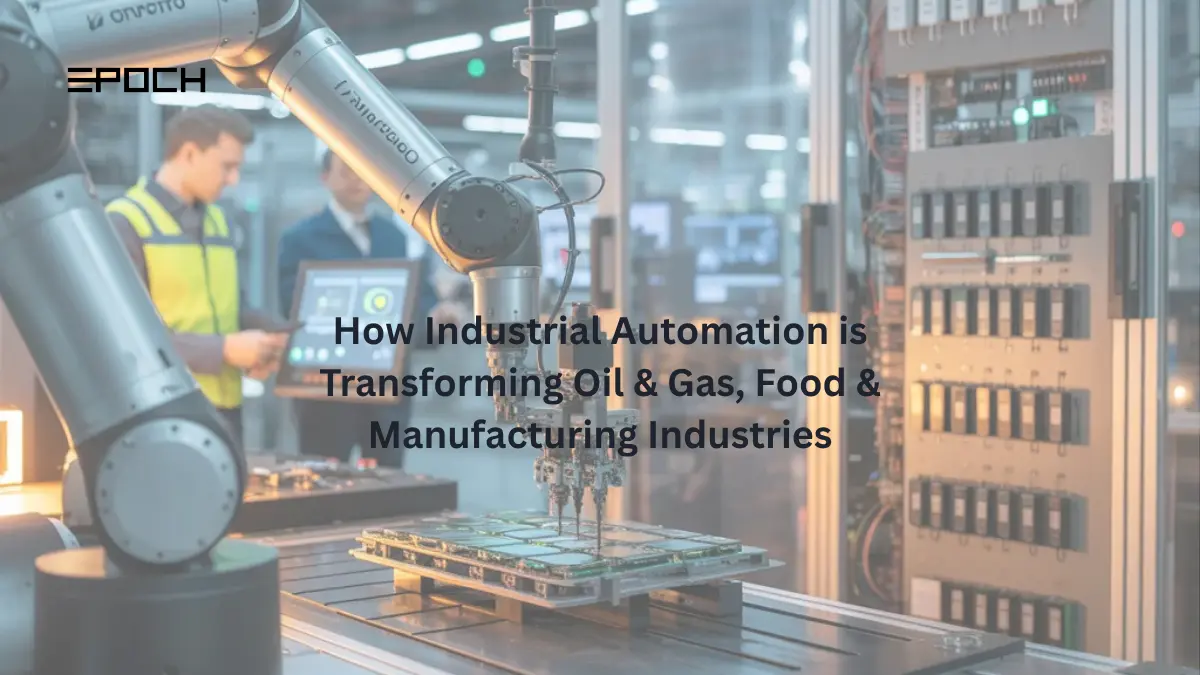
Industrial operations are no longer driven by manual processes or isolated machines. Across sectors such as oil & gas, food processing, and manufacturing, there is a clear transition toward integrated automation systems that deliver precision, safety, and operational continuity.
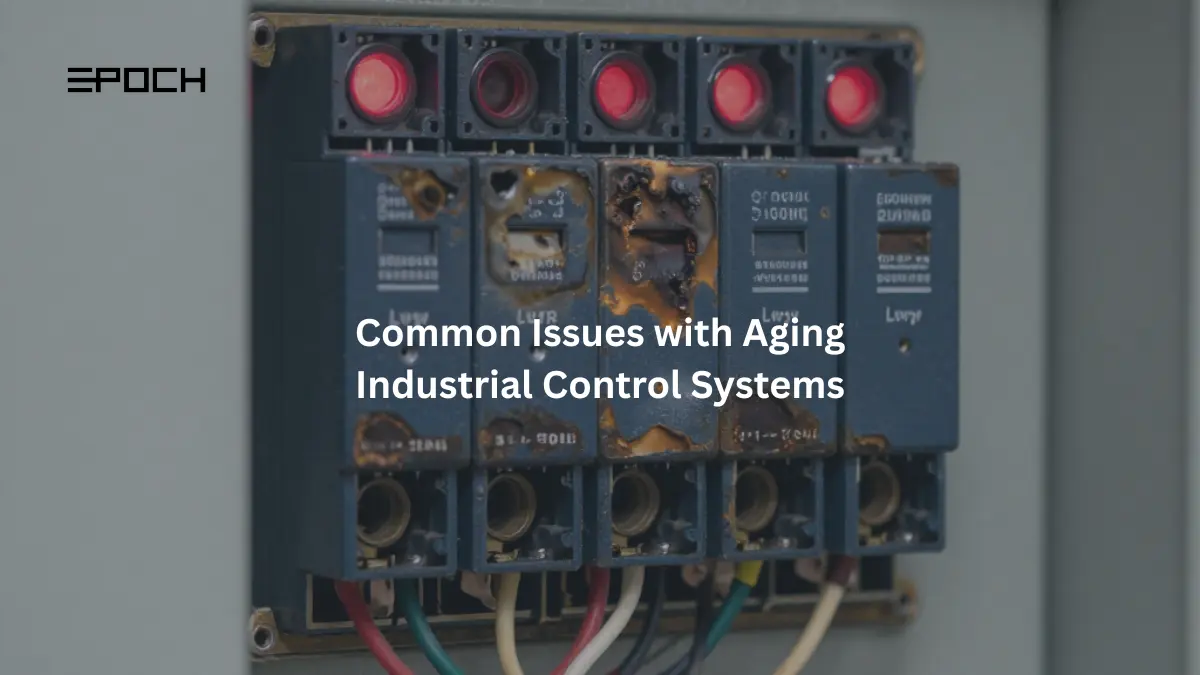
Why Legacy Automation is Holding Your Industry Back In today’s fast-moving industrial landscape, uptime, reliability, and data visibility are no longer optional, they are critical for survival. Yet, many manufacturing facilities continue to rely on aging industrial control systems (ICS) that were installed decades ago.
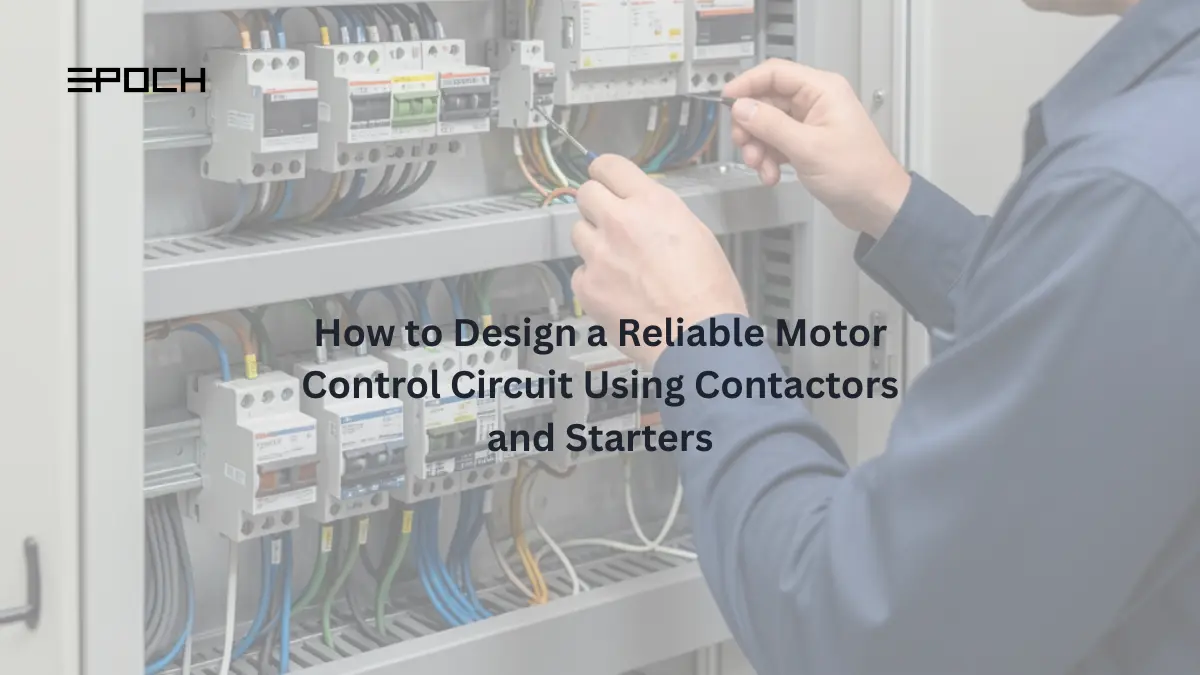
Motors don’t fail randomly. Most failures trace back to bad control design, wrong contactor sizing, poor overload protection, or messy wiring logic.
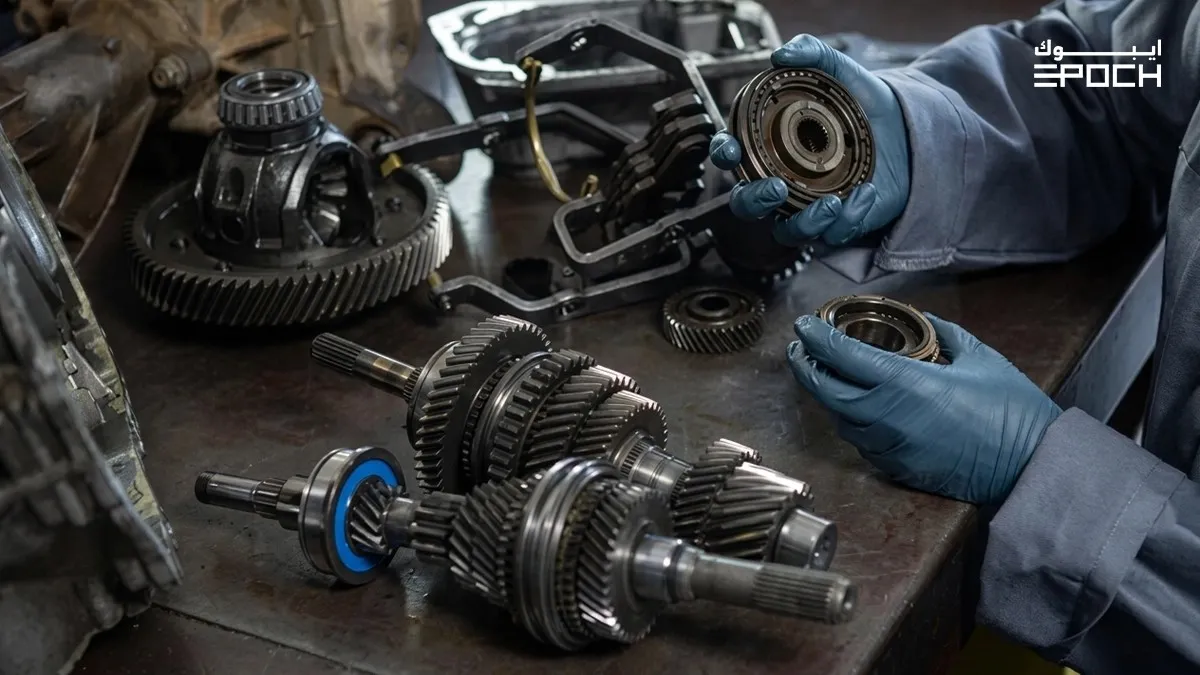
Walk into any modern industrial facility, and you will notice one thing immediately — everything is interconnected, synchronized, and operating in real time. From PLC-controlled processes to high-speed drives and I/O communication networks, industrial automation systems rely on precision and consistency.
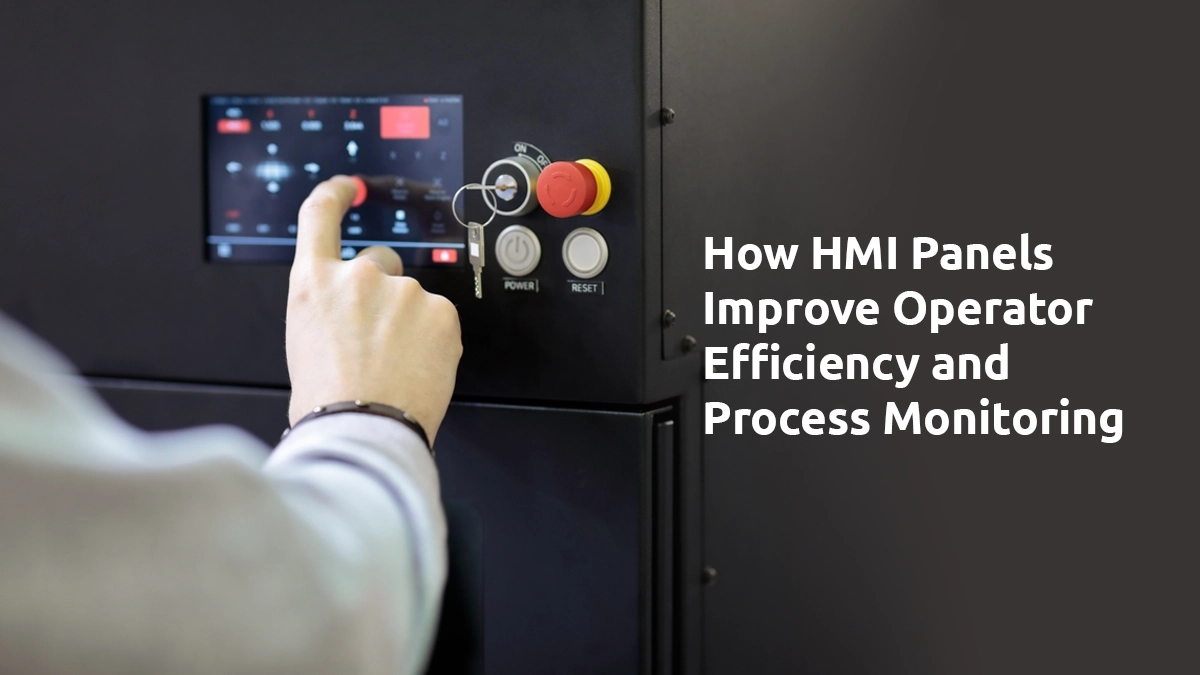
Modern manufacturing is no longer just about machines running automatically. Even in highly automated environments, human operators play a crucial role in monitoring processes, making decisions, and responding to unexpected situations. This is where Human-Machine Interface (HMI) panels make a real difference.
Showing 10 to 18 of 25 results


