




Why Precision Control Is Critical in Pharmaceutical Manufacturing
Pharmaceutical manufacturing operates under far stricter process conditions than many other industrial sectors. Every production stage must maintain controlled environmental and operational parameters to ensure consistent product quality.
Critical production variables include:
- Temperature stability
- Pressure control
- Ingredient dosing accuracy
- Humidity regulation
- Mixing consistency
- Filling precision
- Cleanroom airflow performance
Even a small deviation during production can compromise an entire batch and create major financial and compliance consequences.
Traditional manual operations often introduce challenges such as:
- Inconsistent production quality
- Human operational error
- Documentation inaccuracies
- Contamination risks
- Delayed production cycles
- Process variability between batches
Automation systems reduce these risks by maintaining controlled and repeatable manufacturing conditions throughout the production cycle.
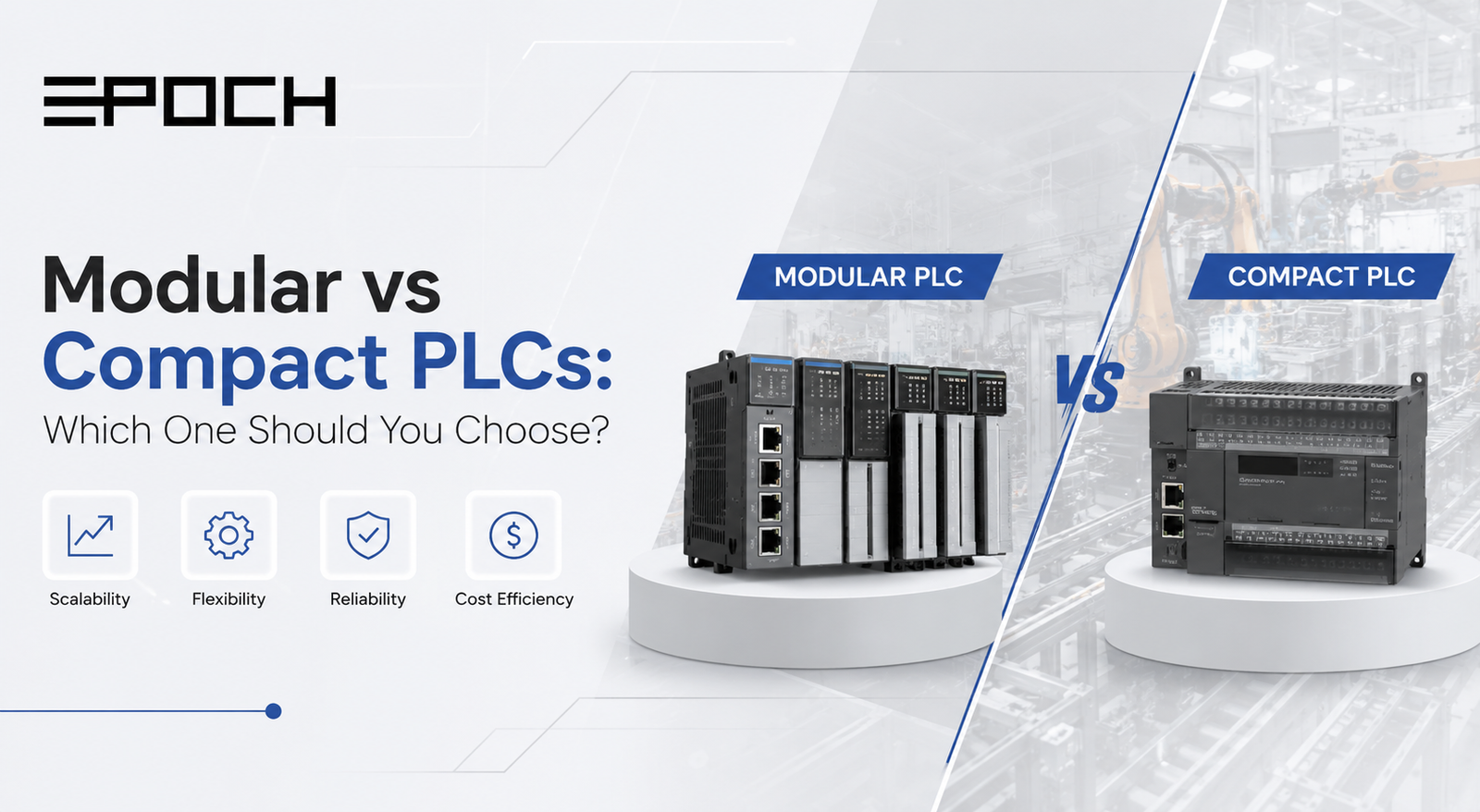
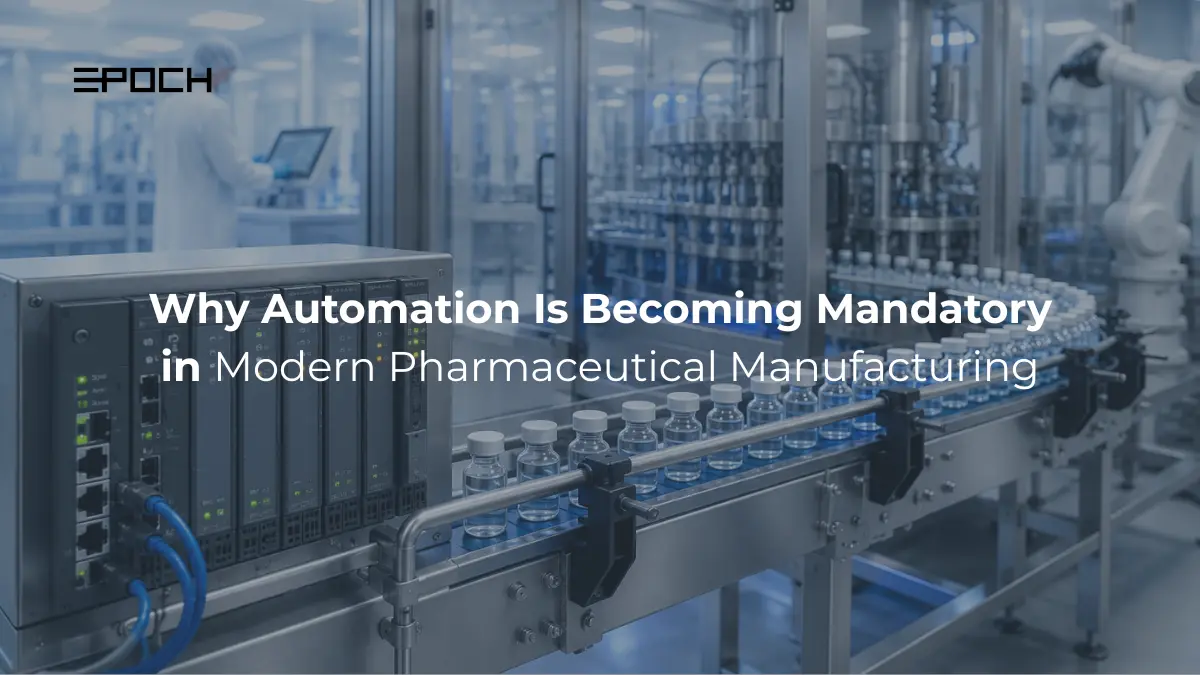
PLC-based automation systems continuously manage machine sequences, monitor process conditions, and synchronize industrial equipment with high operational accuracy. This helps pharmaceutical manufacturers maintain stable production environments while improving repeatability across large-scale manufacturing operations.
How GMP Compliance Is Increasing Automation Adoption
Global pharmaceutical regulations continue becoming more demanding every year. Regulatory authorities now expect pharmaceutical manufacturers to maintain detailed operational visibility across all production stages.
Modern GMP requirements include:
- Electronic batch records
- Real-time production monitoring
- Data integrity management
- Full production traceability
- Controlled process environments
- Reliable audit documentation
Modern pharmaceutical facilities handling large-scale production are finding it increasingly challenging to manage these requirements through manual processes alone.
Automation systems help pharmaceutical manufacturers improve compliance by automatically recording operational data, monitoring process conditions, and reducing unauthorized process deviations.
SCADA systems are especially important because they provide centralized process visualization and real-time operational monitoring across pharmaceutical production lines.
Operators and quality teams can monitor:
- Alarm conditions
- Machine performance
- Cleanroom conditions
- Process trends
- Production status
- Environmental parameters
from a single centralized interface.
This improves operational transparency during audits and helps pharmaceutical manufacturers maintain compliance readiness more efficiently.
Reducing Human Error in Pharmaceutical Production
Human expertise remains extremely important in pharmaceutical manufacturing, but manual operations always introduce some level of operational risk.
In pharmaceutical production environments, mistakes during critical operations can create serious consequences involving product quality, contamination, and compliance.
Common operational risks include:
- Incorrect machine setup
- Batch preparation errors
- Material handling mistakes
- Packaging inconsistencies
- Manual data entry issues
- Labeling inaccuracies
Industrial automation systems help reduce these risks by controlling production processes through programmed operational logic and intelligent monitoring infrastructure.
Industrial sensors continuously monitor critical process conditions such as:
- Temperature
- Pressure
- Flow rate
- Humidity
- Vibration
- Process timing
If operating conditions move outside predefined limits, automated systems can immediately trigger alarms, shutdown procedures, or corrective actions.
This level of process control helps pharmaceutical manufacturers improve operational reliability while reducing rejected batches and unplanned production interruptions.
The Importance of Batch Consistency in Pharmaceutical Manufacturing
Consistency is one of the most important requirements in pharmaceutical production. Every product manufactured must meet identical quality standards regardless of production scale or operating conditions.
Automation systems help maintain batch consistency by controlling:
- Mixing speed
- Conveyor synchronization
- Filling operations
- Packaging alignment
- HVAC performance
- Process timing
- Cleanroom pressure stability
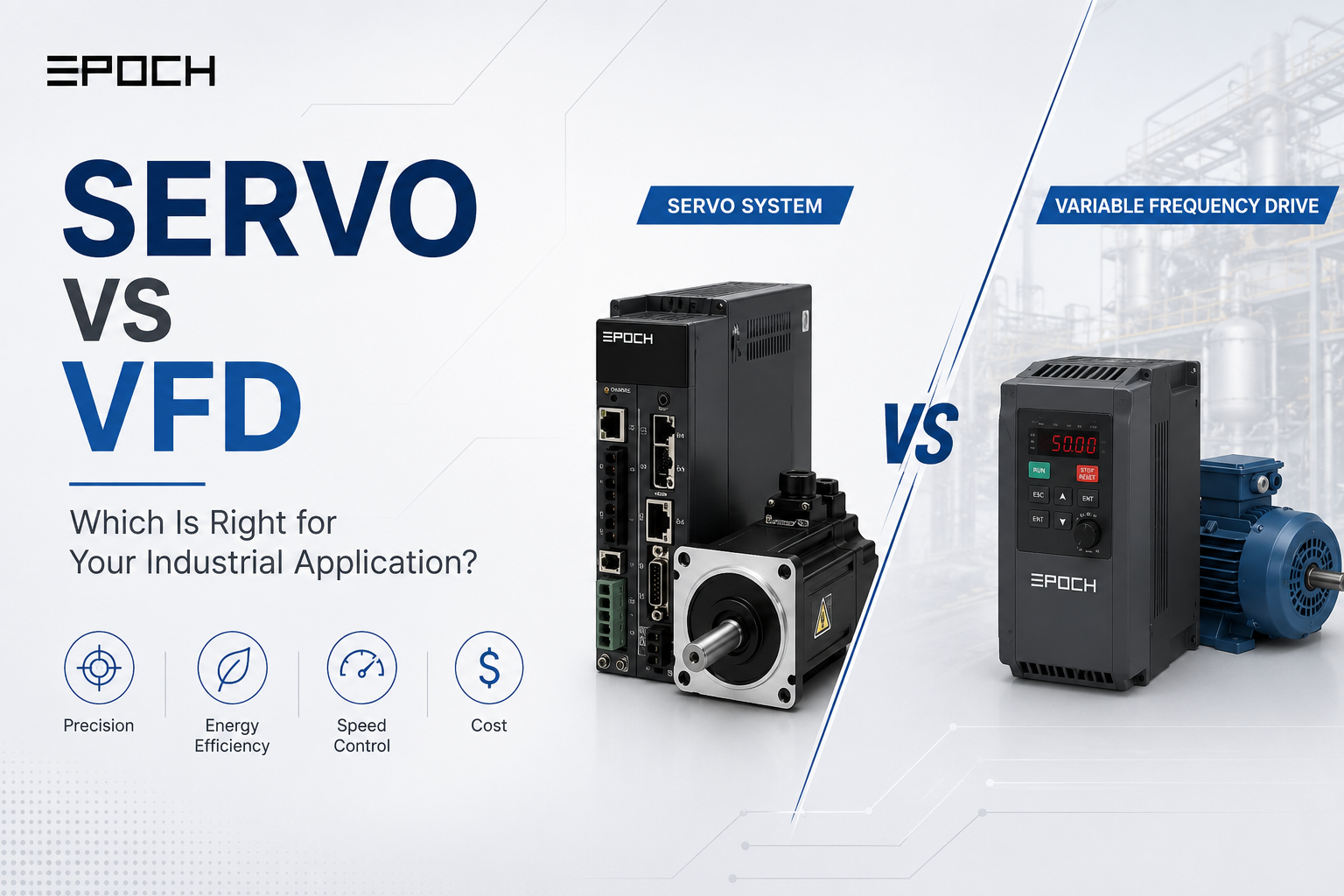
Variable Frequency Drives (VFDs) play a major role in pharmaceutical manufacturing because they allow precise motor speed regulation across different production stages.
VFD systems are commonly used for:
- Cleanroom ventilation systems
- Packaging conveyors
- Pumping systems
- Filling machines
- Material transfer equipment
- HVAC motor control
Accurate motor control improves production stability while reducing mechanical stress and energy consumption across manufacturing systems.
Advanced automation technologies from leading manufacturers continue supporting modern pharmaceutical production environments where operational precision is essential.
Industries searching for reliable automation infrastructure often work with a PLC Supplier in UAE to identify systems compatible with pharmaceutical production requirements and GMP-compliant automation environments.
How PLC and SCADA Systems Improve Pharmaceutical Productivity
Modern pharmaceutical manufacturing facilities rely heavily on PLC and SCADA systems because they provide centralized automation control and improved operational visibility.
PLC systems manage:
- Machine sequencing
- Process timing
- Industrial communication
- Safety interlocks
- Equipment coordination
- Automated production workflows
Meanwhile, SCADA platforms provide operators with centralized monitoring dashboards that improve process supervision and operational analytics.
Together, PLC and SCADA systems help pharmaceutical facilities:
- Reduce downtime
- Improve production efficiency
- Detect operational faults faster
- Improve maintenance planning
- Maintain process consistency
- Increase operational stability
For pharmaceutical plants operating continuously, automation visibility becomes increasingly valuable for maintaining stable production output.
Manufacturers looking to modernize automation infrastructure often evaluate options such as buy Schneider Electric PLC in UAE or buy Mitsubishi PLC solutions depending on process complexity, scalability requirements, and industrial communication architecture.
Cleanroom Automation and Environmental Monitoring
Cleanroom environments are critical in pharmaceutical manufacturing because contamination control directly affects product safety and regulatory compliance.
Modern pharmaceutical cleanrooms require continuous monitoring of:
- Airflow performance
- Differential pressure
- Temperature
- Humidity
- Particle concentration
- Air filtration systems
Automation systems continuously monitor these environmental conditions to maintain stable cleanroom performance.
If operating conditions move outside predefined limits, automated monitoring systems immediately trigger alarms and corrective actions to protect the manufacturing environment.
This level of environmental control significantly improves pharmaceutical manufacturing reliability while reducing contamination risks.
Industry 4.0 Is Transforming Pharmaceutical Manufacturing
The pharmaceutical industry is increasingly moving toward Industry 4.0 manufacturing environments involving connected automation systems and intelligent production infrastructure.
Modern pharmaceutical facilities are integrating:
- Industrial IoT devices
- Smart monitoring systems
- Predictive maintenance platforms
- Remote monitoring solutions
- Industrial analytics tools
- Intelligent energy management systems
These technologies allow pharmaceutical manufacturers to monitor equipment performance in real time and identify operational issues before production failures occur.
Predictive maintenance systems, for example, can analyze:
- Motor vibration
- Temperature changes
- Equipment performance trends
- Energy consumption behavior
to detect early signs of mechanical wear or process instability.
This helps facilities reduce downtime while improving maintenance planning and operational efficiency.
Industries modernizing large-scale pharmaceutical operations often evaluate automation solutions from global manufacturers such as ABB PLC Supplier in UAE and Siemens PLC Supplier in uae to support scalable and future-ready production infrastructure.
Why Automation Is Now a Business Requirement
Automation is no longer viewed simply as a production upgrade inside pharmaceutical manufacturing. It has become a core operational requirement for maintaining competitiveness, compliance, and production reliability.
Modern pharmaceutical facilities must balance:
- Strict regulatory compliance
- Rising production demand
- Energy efficiency
- Product quality consistency
- Operational scalability
- Process transparency
Without advanced automation infrastructure, maintaining these requirements becomes increasingly difficult.
As pharmaceutical manufacturing continues evolving toward connected and intelligent production environments, automation systems will play an even larger role in maintaining long-term operational performance.
How Epoch International Supports Pharmaceutical Automation
Epoch International supports pharmaceutical manufacturers with industrial automation solutions designed to improve process stability, production efficiency, and long-term operational reliability.
The company supports industrial automation requirements involving:
- PLC automation systems
- SCADA integration
- Industrial control panels
- VFD and motor control systems
- Industrial instrumentation
- Smart monitoring infrastructure
- Process automation systems
- Automation modernization projects
By aligning automation infrastructure with pharmaceutical production requirements, industrial facilities can move toward safer, smarter, and more efficient manufacturing environments.
Conclusion
Automation is becoming a fundamental requirement in modern pharmaceutical manufacturing because production environments now demand higher precision, stricter compliance, improved traceability, and stable operational performance.
Technologies such as PLC systems, SCADA platforms, VFD drives, industrial sensors, and intelligent monitoring infrastructure are helping pharmaceutical manufacturers reduce operational risk, improve production consistency, and maintain reliable process control.
As the pharmaceutical industry continues evolving toward Industry 4.0 manufacturing, automation will remain essential for improving scalability, maintaining regulatory compliance, and supporting long-term industrial efficiency.