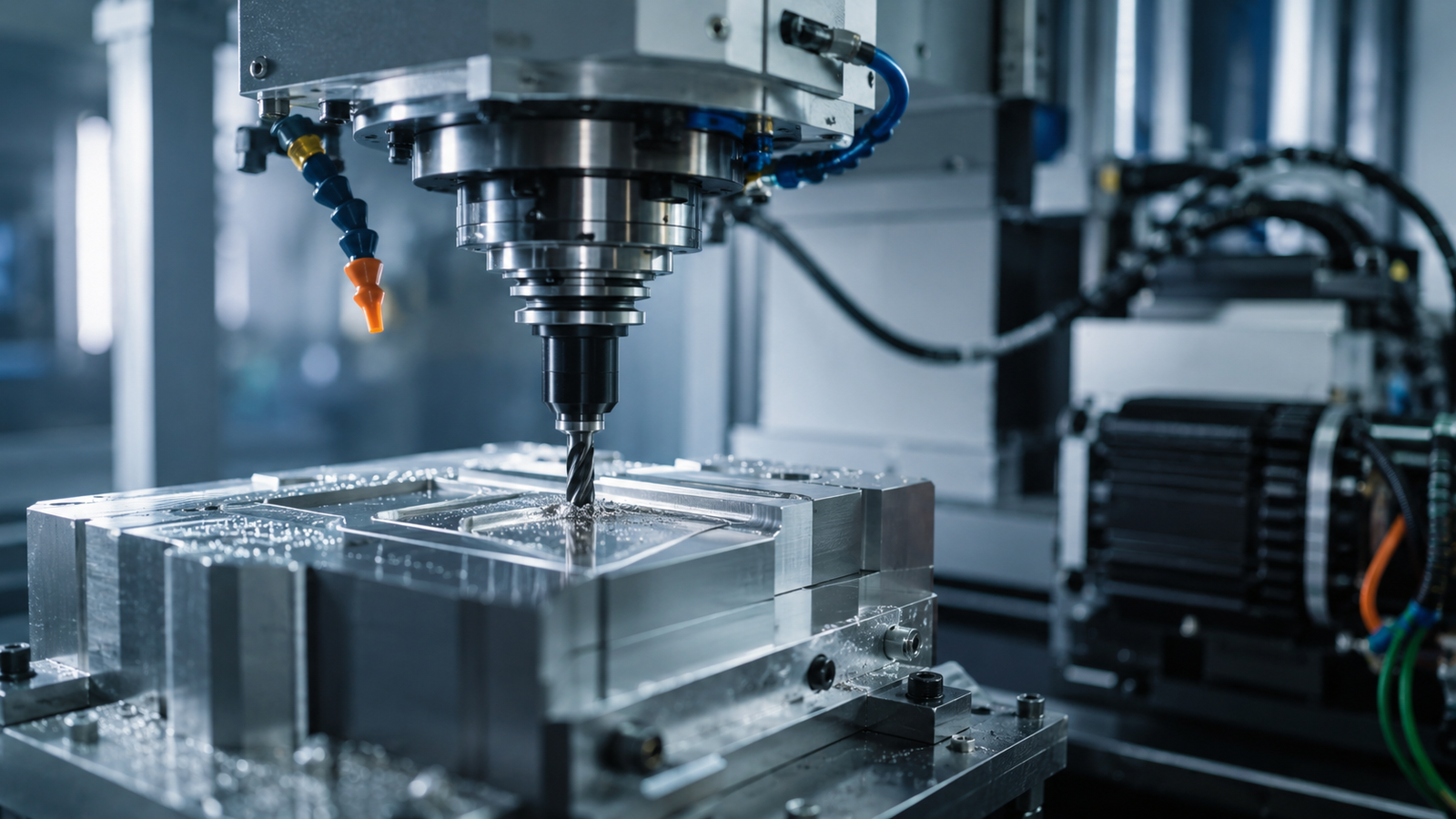





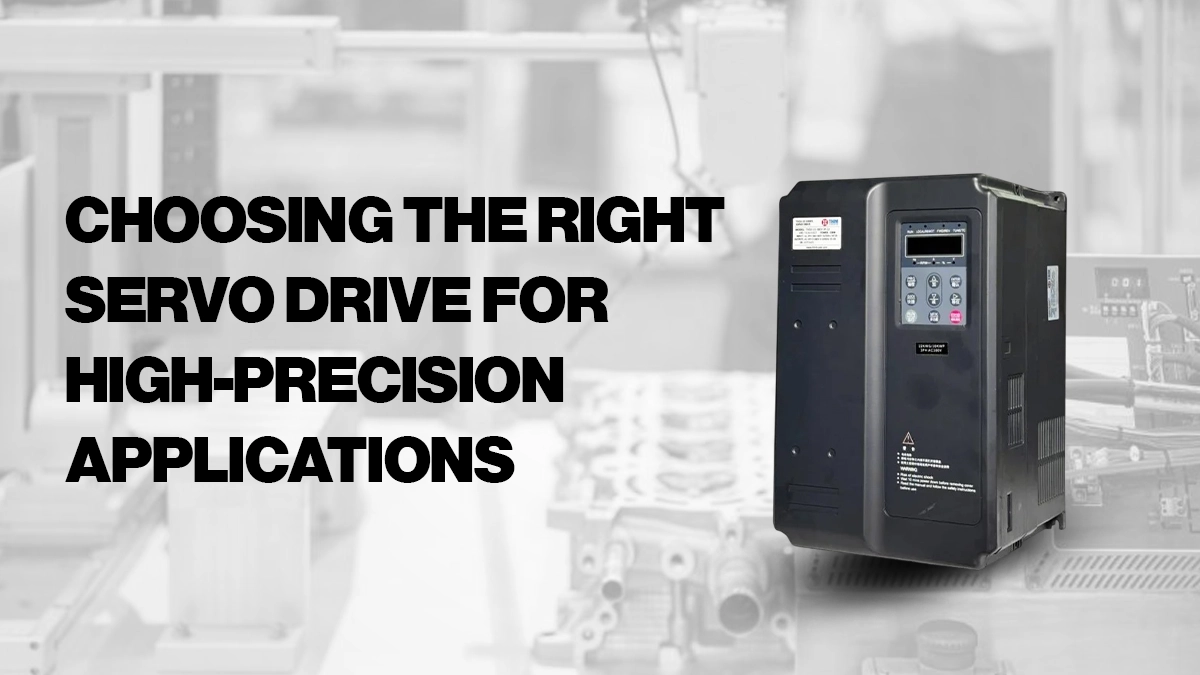
In modern manufacturing, precision is everything. From CNC machining and robotics to semiconductor production and automated assembly lines, industries rely on motion systems that can move with extreme accuracy, speed, and consistency. At the heart of these systems is the servo drive, a device responsible for controlling how a servo motor moves.
Choosing the right servo drive is not just about selecting a compatible device — it requires understanding the torque demands of the application, the type of feedback system used, and how well the drive integrates with the controller.
What Does a Servo Drive Actually Do?
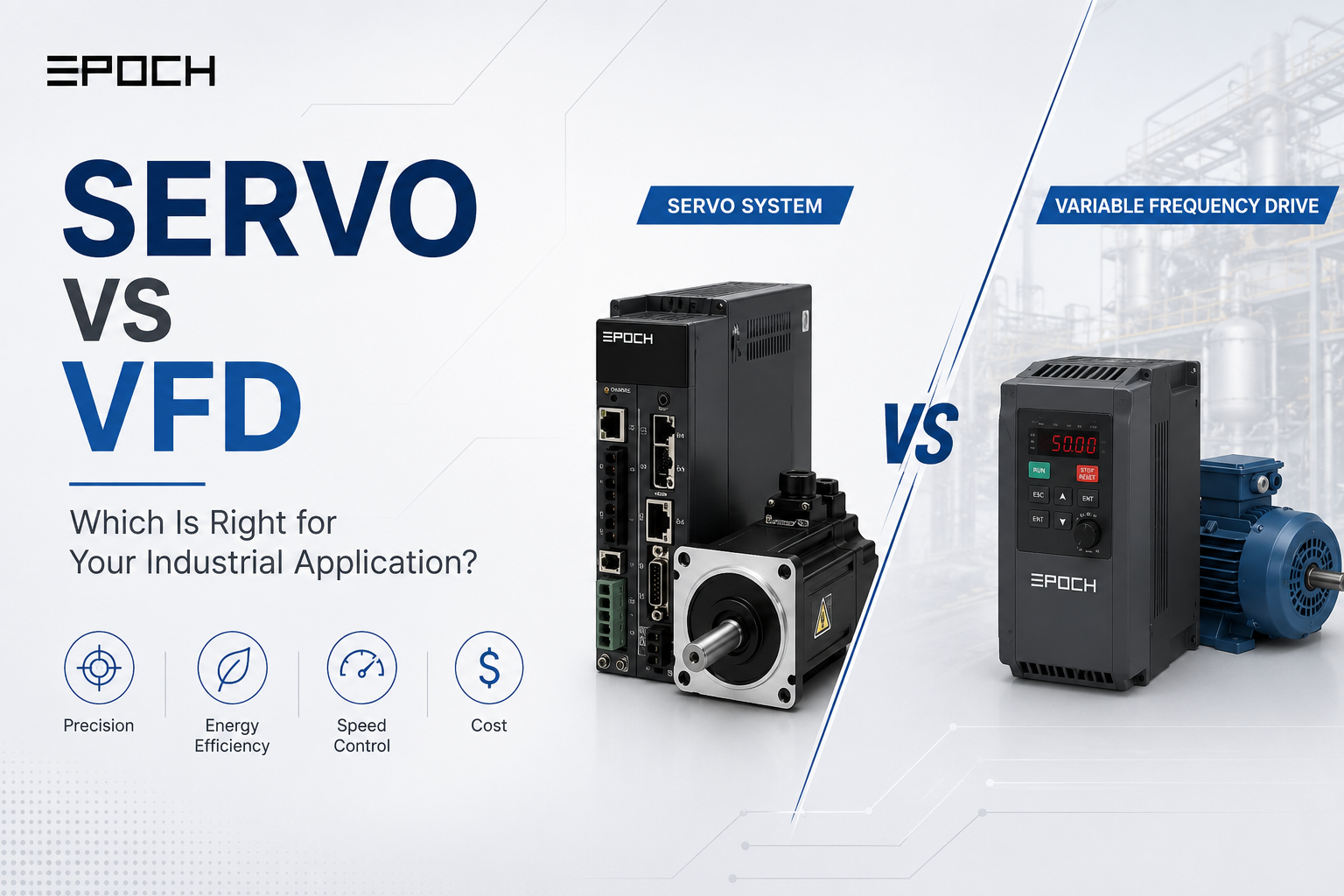
A servo drive acts as the control interface between the motion controller and the servo motor. It receives commands from the controller such as position, speed, or torque and converts them into electrical signals that power the motor. At the same time, the drive continuously monitors feedback from sensors installed on the motor shaft. This forms a closed-loop control system, enabling the high precision required in advanced automation.
Understanding Torque Requirements
Torque is one of the first parameters engineers evaluate when selecting a servo drive. Important factors include load inertia, acceleration and cycle time, mechanical friction, and safety margin. Selecting a servo drive with adequate torque capacity ensures stable performance even under demanding operating conditions.
The Importance of Feedback Devices
Incremental Encoders
Incremental encoders generate electrical pulses as the motor shaft rotates. They are cost-effective and easy to integrate, suitable for general automation systems. However, they lose their position reference during power loss, requiring re-homing during startup.
Absolute Encoders
Absolute encoders provide the exact shaft position at all times, even after power interruptions, eliminating the need for homing procedures. This improves reliability in complex automation systems such as robotic arms and CNC machines.
Resolver Feedback
Resolvers are highly durable analog sensors designed for harsh industrial environments, tolerating high temperatures, electrical noise, and vibrations. They are widely used in heavy-duty applications including aerospace systems and high-power servo applications.
Matching the Servo Drive with the Controller
Modern industrial servo drives support several communication standards including EtherCAT, PROFINET, EtherNet/IP, CANopen, and Modbus. Servo drives typically operate in position control for robotics and CNC systems, velocity control for conveyor systems, and torque control for tension control and winding machines.
Major Servo Drive Brands
- Siemens — SINAMICS servo drive platforms for advanced manufacturing
- Yaskawa Electric — Sigma servo drive series, global leader in motion control
- Mitsubishi Electric — MELSERVO systems for high-speed and high-accuracy applications
- Rockwell Automation — Kinetix servo drive family integrated with Allen-Bradley controllers
- Schneider Electric — Lexium servo drive range for flexible industrial automation
- Delta Electronics — cost-efficient and reliable servo motion solutions
Conclusion
Selecting the right servo drive requires careful evaluation of torque requirements, feedback systems, and controller compatibility. By choosing the right combination, manufacturers can achieve superior motion precision, improved reliability, and reduced downtime. At Epoch International, we assist industries in sourcing high-performance automation components from leading global manufacturers.