




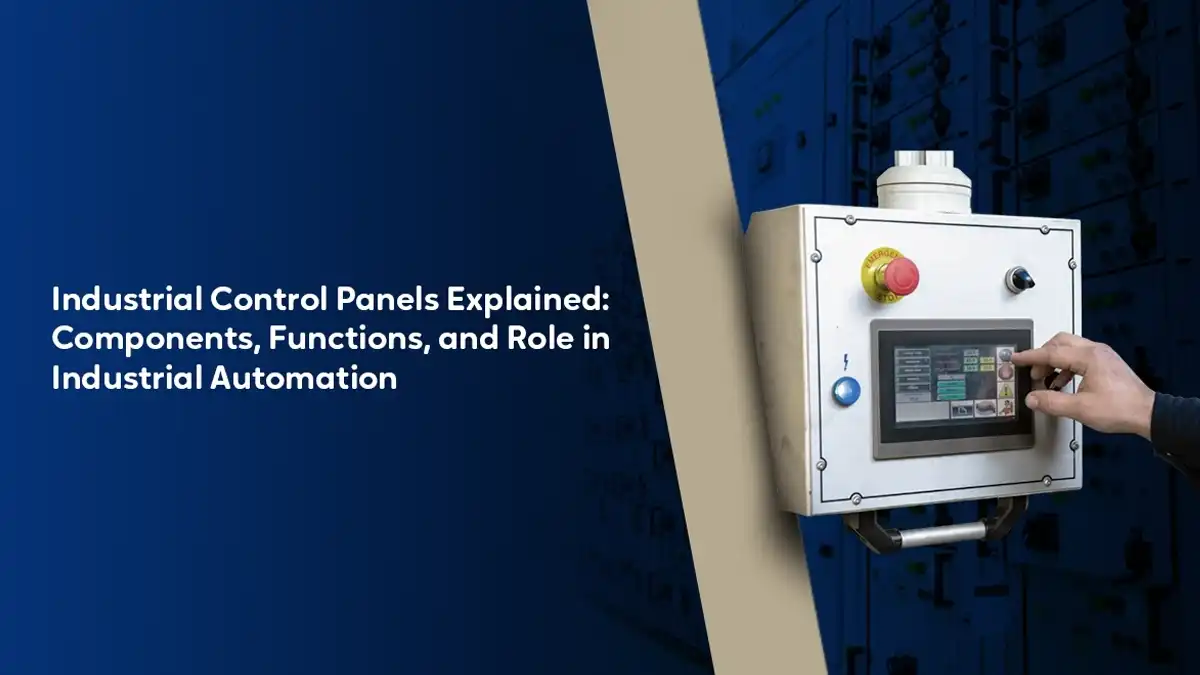
Industrial automation relies on precise electrical control systems that coordinate machinery, sensors, and production processes. At the center of these systems is the industrial control panel, a structured electrical enclosure that organizes control devices, distributes power, and manages automation signals across industrial equipment.
Industrial control panels are widely used in manufacturing plants, energy facilities, infrastructure systems, and process industries where reliable machine control and operational safety are essential.
What Is an Industrial Control Panel?
An industrial control panel is an electrical enclosure that houses automation and electrical components used to control machinery and industrial processes. It acts as the centralized interface where electrical power, automation logic, and control signals are organized to manage industrial equipment. These panels are typically built using metal enclosures designed to protect sensitive electrical components from dust, heat, vibration, and environmental conditions.
Key Components of Industrial Control Panels
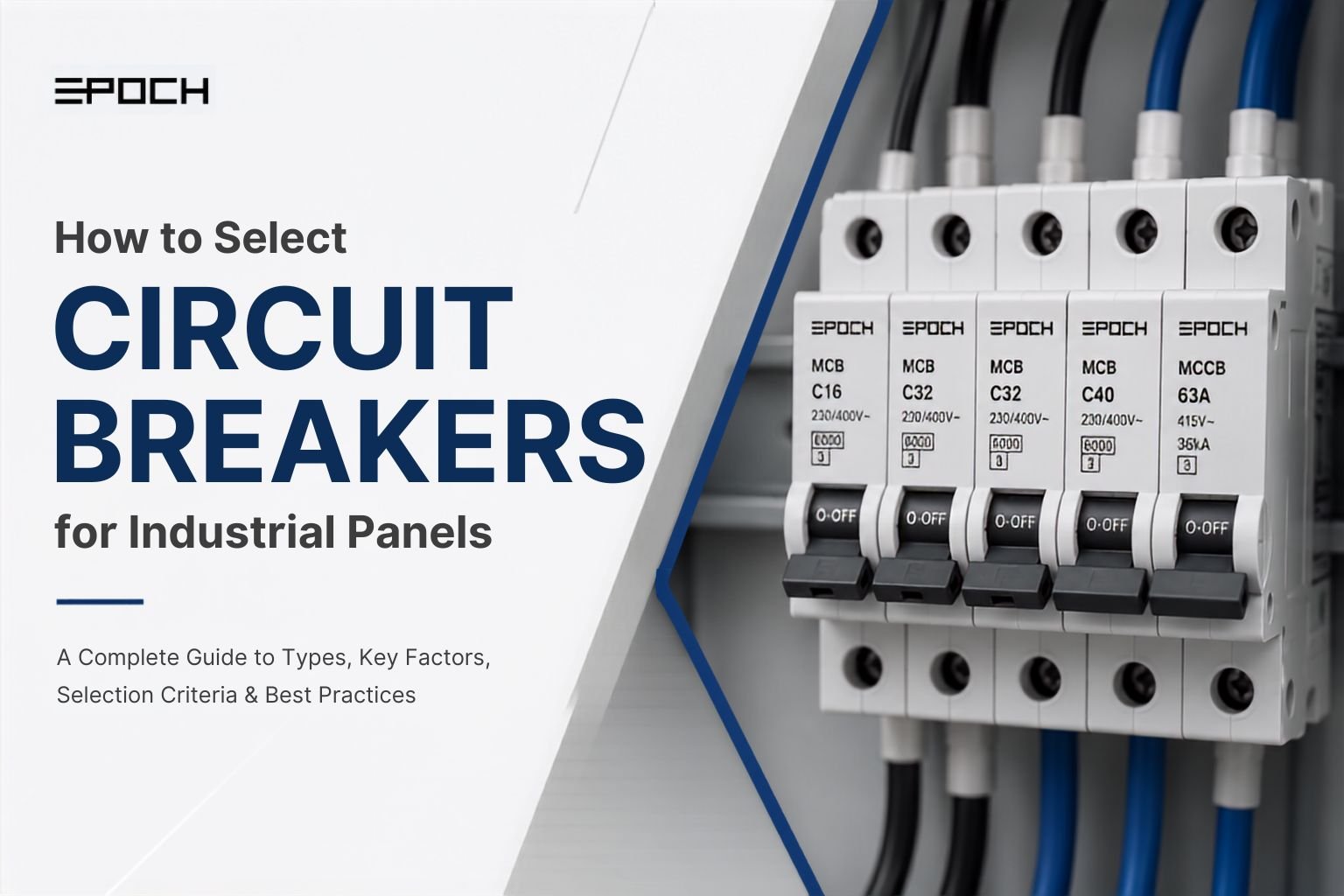
- Circuit Breaker — Protects electrical circuits from overload and short circuit conditions, preventing equipment damage and electrical hazards
- Power Supply Unit — Converts electrical input power into stable voltage for control devices, ensuring reliable power for automation equipment
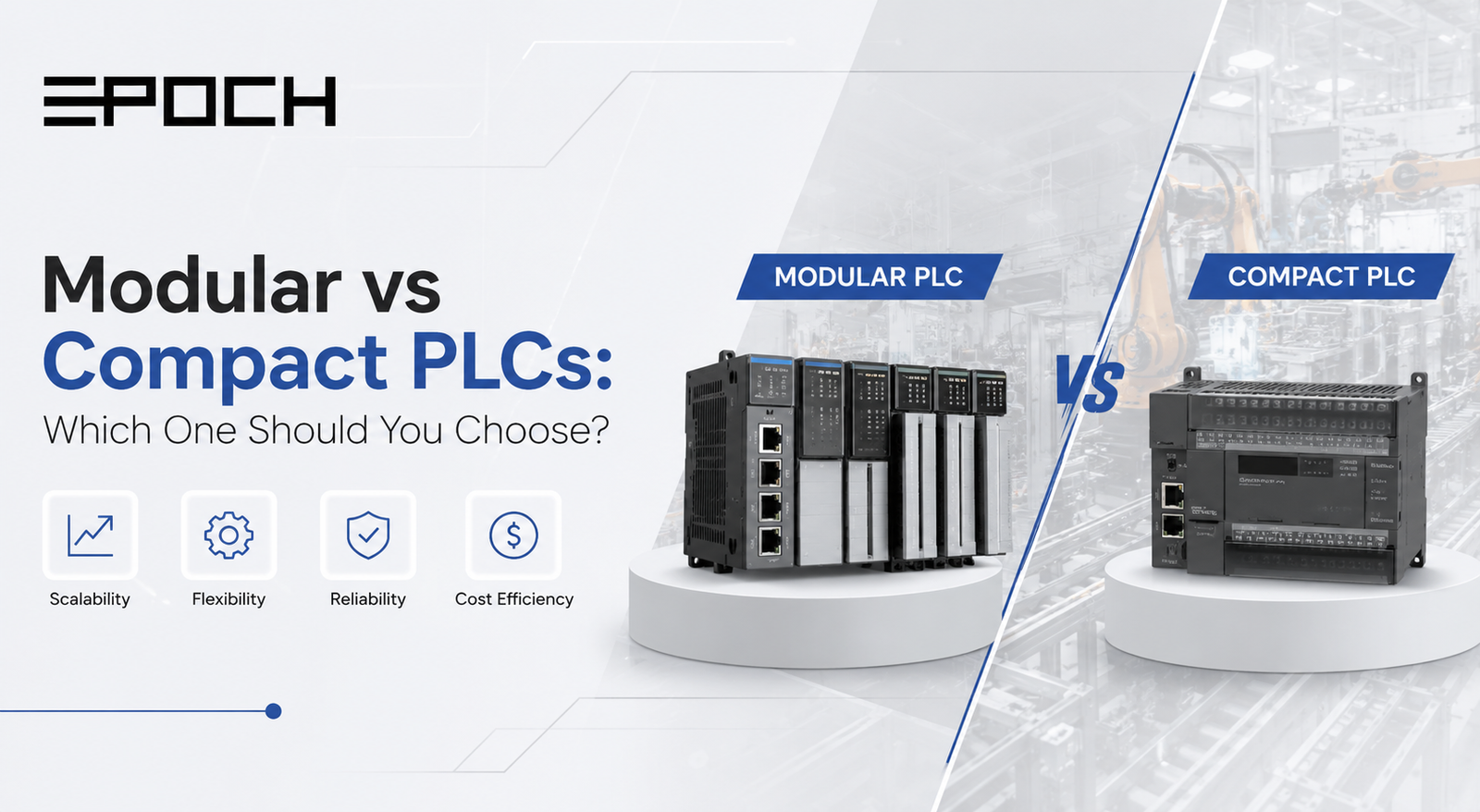
- PLC (Programmable Logic Controller) — Executes automation logic and controls machine operations, enabling automated manufacturing processes
- Relays and Contactors — Switch electrical circuits and control power to machines, managing motors, actuators, and industrial equipment
- HMI (Human Machine Interface) — Provides visual interface for monitoring and controlling systems, allowing operators to interact with automation systems
- Terminal Blocks — Organize wiring connections inside the panel, simplifying installation and maintenance
- Communication Modules — Enable data exchange between automation devices, supporting industrial communication networks
Functions of Industrial Control Panels
Machine Control
Control panels manage machine operations by coordinating signals between controllers, sensors, motors, and actuators, allowing machines to execute programmed instructions and maintain consistent production output.
Electrical Power Distribution
Control panels distribute electrical power to industrial devices such as motors, sensors, automation controllers, and communication systems. Proper power management ensures stable system performance and reduces the risk of electrical faults.
Process Monitoring
Automation systems integrated within control panels continuously monitor machine conditions and process parameters, allowing operators to observe system performance and respond quickly to abnormal operating conditions.
Safety Protection
Industrial control panels include protection systems designed to prevent equipment damage and protect personnel, with safety mechanisms that can automatically disconnect electrical circuits or shut down machines when unsafe conditions occur.
Common Issues Found in Industrial Control Panels
- Overheating caused by poor ventilation
- Loose electrical connections
- Unstable power supply conditions
- Communication failures between automation devices
- Aging electrical components
Preventive Maintenance
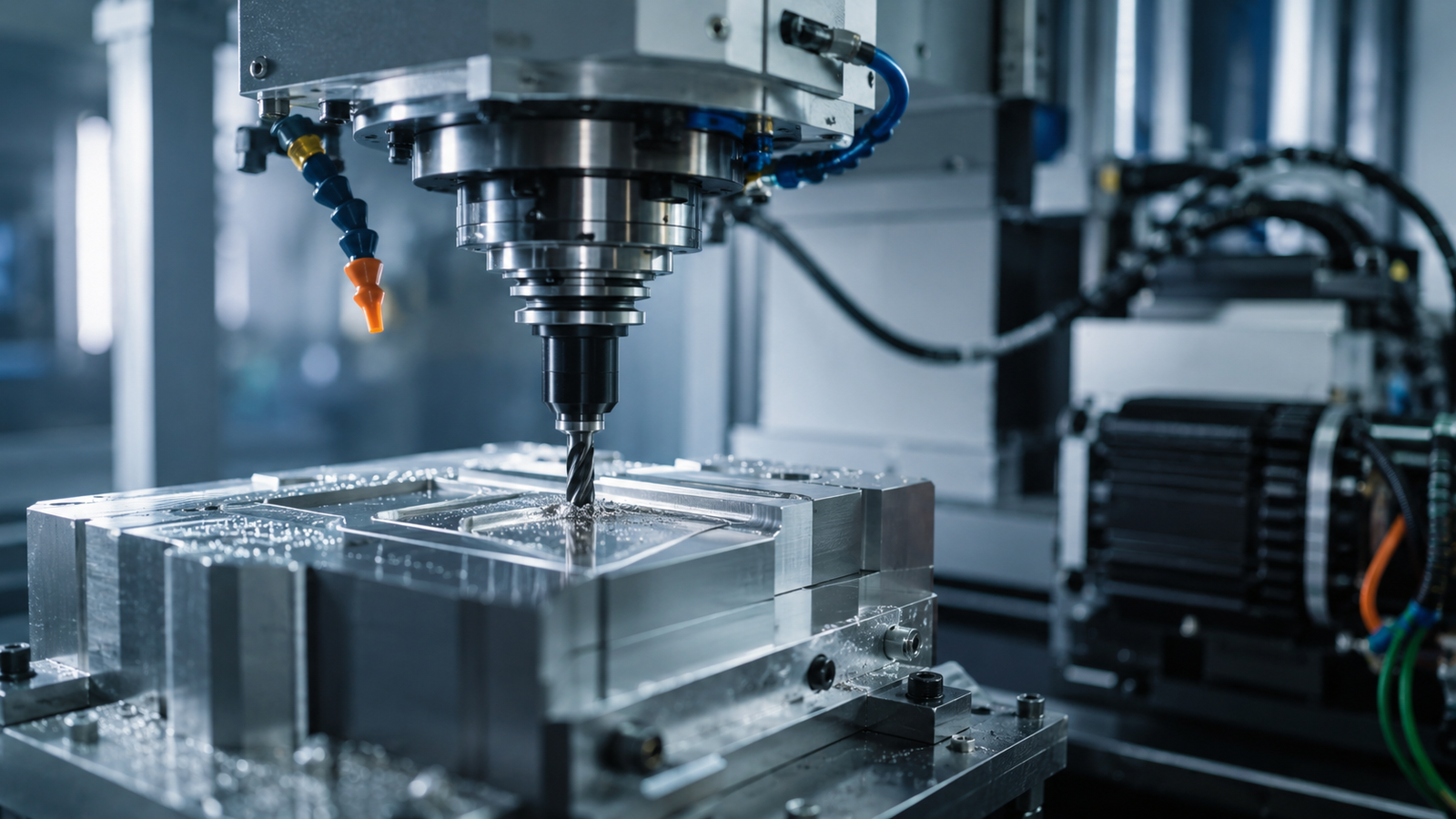
Typical maintenance procedures include inspecting electrical wiring and connections, verifying circuit protection devices, checking voltage stability, monitoring temperature and ventilation conditions, and testing automation controllers and communication systems. Manufacturing facilities that depend on precision machining often require professional support such as CNC Machine Repair Services UAE.
Conclusion
Industrial control panels are essential components of modern automation systems. By integrating electrical protection devices, automation controllers, communication modules, and monitoring interfaces, these panels enable industrial machines to operate safely and efficiently. Industrial automation specialists, including Epoch International, work with these technologies to support reliable control systems used across modern industrial environments.