




Why Precision Matters — and How Epoch International Protects It.
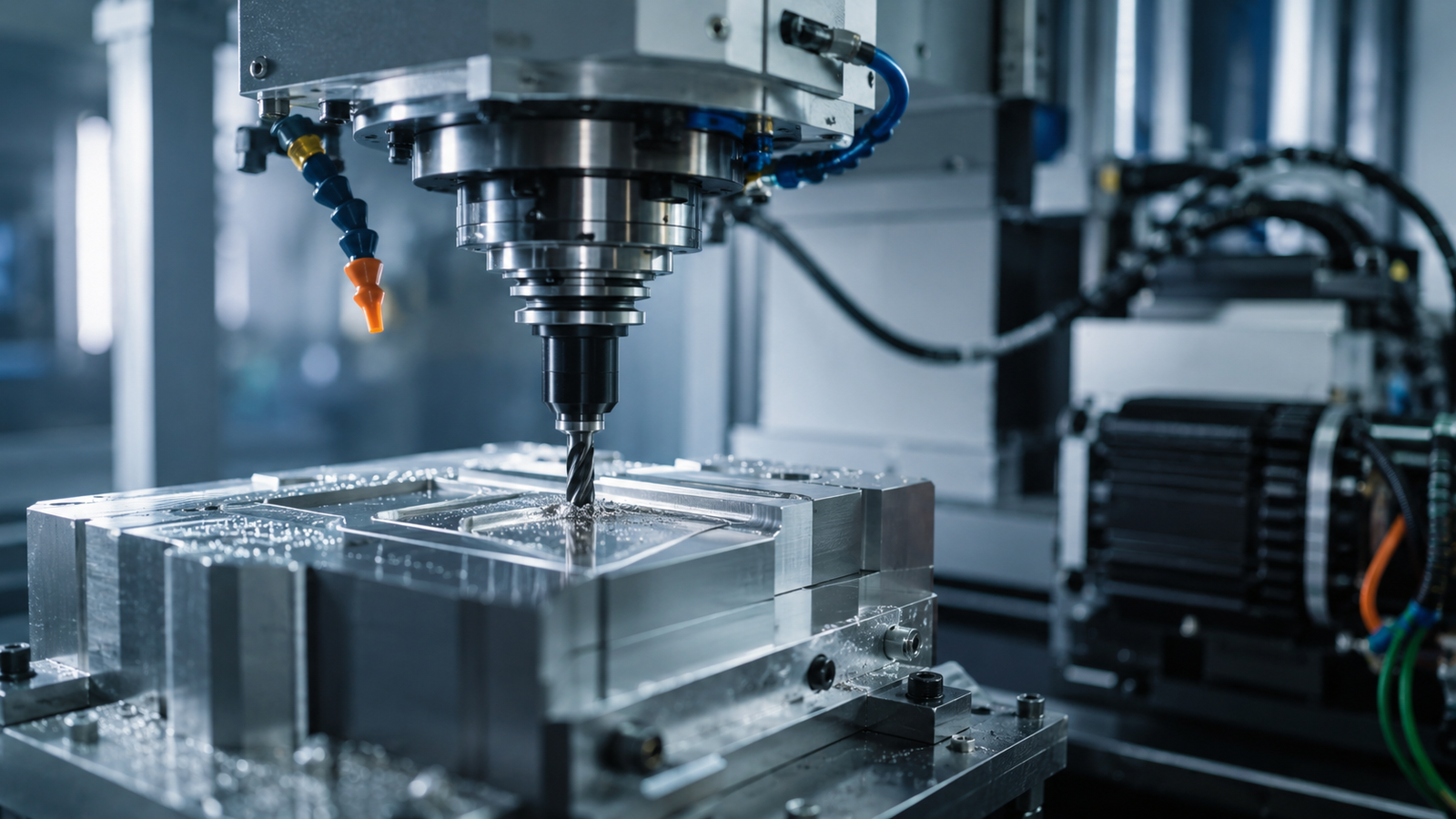
In industrial automation, precision is not just a technical detail — it is what keeps production running. A tiny instability in a PLC power module, a weak solder joint inside a drive board, or a slight misalignment in a communication interface may not show up immediately, but in a real industrial environment with vibration, heat, electrical noise, and continuous operation, small flaws grow into costly failures. That is why precision matters. And that is why, at Epoch International, we treat automation-driven quality control as a responsibility, not just a process.
Precision Is What Keeps Industry Moving
When manufacturers rely on systems from global leaders such as Siemens, Rockwell Automation, Mitsubishi Electric, Yaskawa Electric, and Schneider Electric, they expect one thing above all: reliability. These systems control production lines, robotic cells, packaging plants, and process industries. If they fail, production stops and costs rise fast. Behind every reliable PLC or drive is something simple but powerful — consistent, repeatable precision.
Automation Is About Consistency, Not Just Speed
Many people think automation is about producing more units, faster. In reality, automation is about building or validating every unit the same way — with the same measurements, the same tolerances, and the same control. At Epoch International, this philosophy guides how we test, inspect, and support industrial automation equipment. No guesswork. No assumptions. No shortcuts.
How We Protect Precision at Epoch
Looking Beyond What the Eye Can See
Some defects are obvious — burn marks, swollen capacitors, broken connectors. But many of the most dangerous faults are hidden — microscopic solder cracks, unstable power stages, or subtle signal integrity issues. Using automated testing principles and controlled validation environments, we check voltage stability under load, thermal behavior during operation, communication reliability, and power stage integrity.
Testing Under Real-World Conditions
Industrial automation components operate in high-temperature enclosures, dust-heavy manufacturing floors, continuous multi-shift production cycles, and electrically noisy power systems. At Epoch International, testing is designed to simulate operational conditions, ensuring that components from brands like Siemens PLCs or Rockwell drives perform as expected when reinstalled in the field.
Data Creates Confidence
One of the strongest advantages of automation-based validation is traceability. Each tested parameter can be recorded. Each voltage curve can be analyzed. Each thermal response can be monitored. This data-driven approach reduces repeat failures and improves troubleshooting accuracy.
Why This Matters to Your Operation
When an automation component fails unexpectedly, it affects production output, delivery commitments, maintenance budgets, and operational stability. Precision reduces risk. Structured validation reduces uncertainty. By applying disciplined, automation-based inspection and testing practices, Epoch International helps ensure that every PLC, drive, or control module entering your facility is dependable — not just functional.
Final Thoughts
In high-performance automation, precision is not a luxury — it is protection. Protection against downtime. Protection against unpredictable failures. Protection against production losses. At Epoch International, precision is built into how we inspect, validate, and deliver industrial automation equipment. Because when your production line depends on it, reliability cannot be optional.